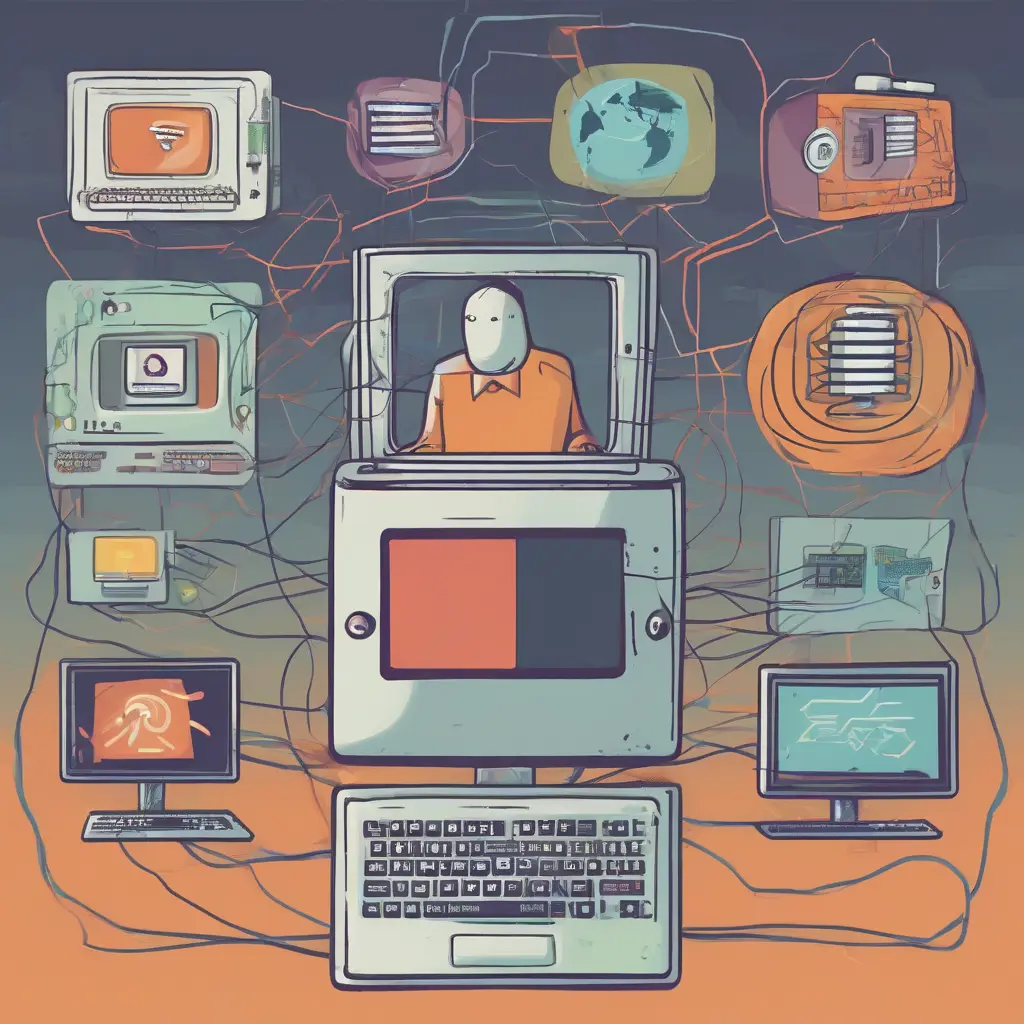
The internet is a vast network that connects millions of devices globally, facilitating communication, information sharing, and much more. Understanding how it operates is essential for anyone in today’s digital age. This guide provides a comprehensive overview of the internet’s structure, its key components, the technologies involved, and the various protocols that govern data exchange. Whether you are a novice looking to enhance your tech knowledge or someone curious about the workings of this complex system, this beginner’s guide will offer you clear insights and foundational knowledge.
What is the Internet?
The internet is essentially a global network of interconnected computers that communicate using standardized protocols. This vast web of information allows users to share data, access resources, and communicate with others in real time. Unlike any single entity, the internet is decentralized, meaning no singular organization controls it. Instead, it consists of millions of smaller networks that connect through a variety of channels, ranging from wireless connections to cables laid under oceans. This intricate design is what makes the internet flexible and resilient.
How Data Travels Across the Internet
When you send or receive data over the internet, the information gets broken down into smaller packets. Each packet includes metadata that guides it through the network, including the source and destination addresses. These packets travel through various routes, hopping from one router to another until they reach their final destination. Once all packets arrive, they are reassembled into the original message. This packet-switching method allows for efficient data transfer and maximizes the use of available bandwidth.
Understanding IP Addresses
Every device connected to the internet is assigned a unique identifier known as an IP address. This address functions like a postal address, helping locate devices on the network. IP addresses can be classified as IPv4 or IPv6; the former consists of four numbers separated by periods, while the latter features eight groups of hexadecimal numbers. As the number of devices connected to the internet continues to grow, IPv6 provides a much larger address space to accommodate them, ensuring seamless connectivity.
The Role of Internet Service Providers (ISPs)
Internet Service Providers (ISPs) are essential in connecting users to the internet. They provide the infrastructure and services needed to access the web, whether through broadband, fiber-optic, or satellite connections. ISPs manage the data traffic that flows between your device and the broader internet. Depending on the package you choose, ISPs may offer varying speeds and levels of service. They also play a crucial role in maintaining and expanding the network infrastructure to meet the demands of users.
The Importance of Protocols
Protocols are sets of rules that determine how data is transmitted over the internet. The most well-known protocol is the Transmission Control Protocol/Internet Protocol (TCP/IP), which breaks data into packets and ensures they are delivered accurately. Other protocols, such as Hypertext Transfer Protocol (HTTP) and File Transfer Protocol (FTP), govern how web pages are requested and files are shared, respectively. These protocols are essential for enabling consistent communication between devices and services, ensuring a seamless user experience.
Web Browsers and Their Functionality
Web browsers are the software applications that allow users to access and interact with websites. Popular browsers like Google Chrome, Firefox, and Safari translate the HTML code of web pages into a format that is visually understandable. They request web pages using the HTTP or HTTPS protocols, display multimedia content, and ensure secure communication between users and websites. Additionally, browsers often come with features like bookmarks, extensions, and privacy settings, enhancing the user experience while browsing the internet.
Understanding Domain Names
A domain name is the human-readable address used to access websites, like www.example.com. Domain names are easier to remember than numerical IP addresses and are essential for efficient browsing. Each domain name consists of two parts: the actual name and the extension, such as .com, .org, or .net. Domain names are managed by registrars, who ensure they are unique and provide users with the necessary infrastructure to host their websites. Without domain names, navigating the internet would be far less intuitive.
Cybersecurity Considerations
As the internet evolves, cybersecurity is increasingly crucial. Cyber threats such as malware, phishing, and data breaches can affect both individuals and organizations. Implementing security measures like firewalls, antivirus software, and secure passwords can help protect sensitive information. Additionally, being aware of safe browsing practices, such as avoiding suspicious links and keeping software updated, significantly reduces risks. Understanding these cybersecurity fundamentals is vital for anyone looking to navigate the internet safely.
The Impact of Social Media on Internet Usage
Social media platforms have revolutionized the way people interact online, influencing internet usage patterns significantly. Sites like Facebook, Twitter, and Instagram not only connect individuals but also serve as platforms for news, businesses, and communities. This transformation has led to increased internet traffic and has changed how information is disseminated and consumed. Understanding the role of social media can provide insights into its vast impact on society, culture, and even political dynamics.
Future Trends in Internet Technology
The future of internet technology holds numerous exciting possibilities, including the expansion of the Internet of Things (IoT), increased bandwidth from 5G networks, and the growth of artificial intelligence. IoT aims to interconnect everyday devices, enabling smarter homes and cities. Additionally, 5G technology promises higher speeds and lower latency, enhancing online experiences. These technological advancements will impact how we interact with the internet, making it more integrated into our daily lives and opening new doors for innovation.
Conclusion
Understanding the internet is essential in a digital world where technology continues to evolve rapidly. From the basics of how data travels to the roles of ISPs and cybersecurity, this foundational knowledge offers insight into navigating the complexities of online interactions. As technology advances, staying informed about internet trends and safety practices will empower users to make the most out of their online experiences.