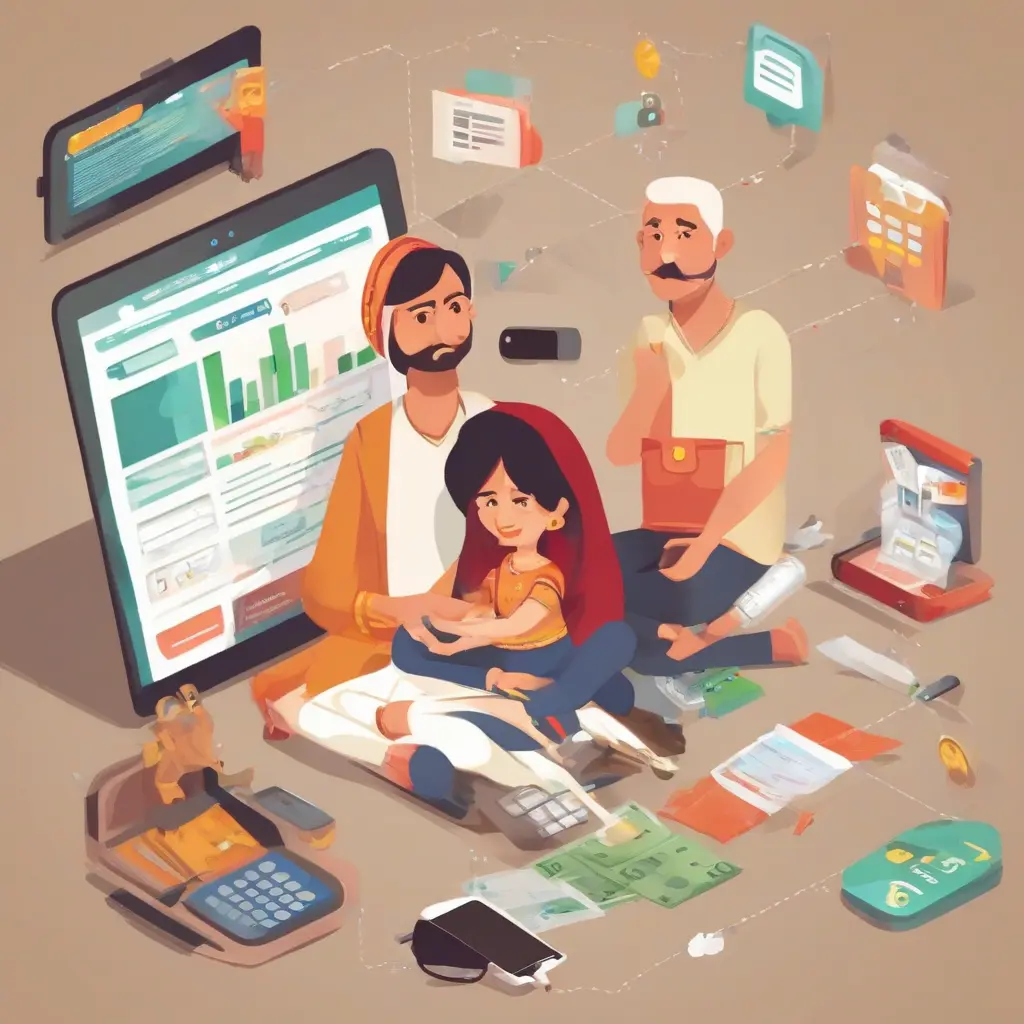
Managing a family budget can often feel overwhelming, particularly for Indian households juggling various financial responsibilities. Fortunately, digital tools have revolutionized how families approach budgeting. These tools not only simplify the process of tracking expenses but also enhance financial literacy and promote savings. This guide will explore various digital solutions available, helping families find the right tools to suit their unique budgeting needs. From mobile applications to online resources, this comprehensive overview will equip you with the knowledge to take control of your finances.
Understanding Family Budgeting in India
Family budgeting is a crucial practice for Indian households, combining cultural traditions with modern financial management techniques. With diverse financial commitments such as education, healthcare, and daily expenses, families often face challenges in maintaining their desired lifestyle. Budgeting not only promotes financial discipline but also instills a sense of responsibility among family members. Understanding the importance of creating a realistic budget allows households to make informed decisions, ensuring that all essential needs are met while also allowing for savings and investments.
The Importance of Digital Tools in Budgeting
Digital tools have significantly changed the landscape of financial management, particularly for budgeting. They provide an efficient way to track spending, set goals, and analyze financial habits. In our fast-paced lives, manually maintaining a budget can be time-consuming and prone to errors. Digital tools eliminate these issues by offering automated features and real-time insights. This accessibility allows users to adapt their budgets promptly, ensuring that they remain aligned with their financial goals and avoid overspending.
Popular Budgeting Apps for Indian Households
Several budgeting apps cater specifically to Indian families, offering customized features tailored to local spending habits. Some popular options include ‘Money Lover,’ ‘Wallet,’ and ‘GoodBudget.’ Each app provides users with unique functionalities, such as expense tracking, bill reminders, and analysis of spending patterns. By utilizing these tools, families can effectively categorize their expenses and visualize their financial status, empowering them to make informed choices about their budgets.
Using Excel for Budget Management
Excel remains a powerful tool for budgeting, providing flexibility and customization that suits various household needs. Families can create personalized budget templates that adapt to their unique financial situations. By inputting income and expenses into a spreadsheet, users can analyze their financial health, set limits, and track goals over time. Additionally, Excel’s charting features help visualize spending trends, making it easier to identify areas for improvement. This option caters to those who prefer a more hands-on approach to their finances.
Cloud Storage Solutions for Financial Records
Utilizing cloud storage services such as Google Drive, Dropbox, or Microsoft OneDrive can greatly enhance budgeting efficiency. By storing financial records, receipts, and important documents in the cloud, families can access their information anytime, anywhere. This organization makes it easier to track spending and provide necessary documentation for various financial obligations. Cloud storage also ensures that important information is safeguarded against loss or damage, promoting responsible financial management.
Integrating Financial Management Platforms
Financial management platforms like ‘ET Money’ and ‘Groww’ offer comprehensive budgeting features that extend beyond basic expense tracking. These platforms help users manage investments, analyze savings plans, and keep track of financial goals in a single interface. By integrating investments and budgeting, families can have a broader perspective on their financial situation. This holistic approach to financial management encourages better decision-making, allowing households to grow their wealth more effectively.
Setting Up a Family Budgeting System
Establishing a family budgeting system is essential for fostering better financial habits within households. Begin by gathering all family members to discuss financial goals and establish shared priorities. Next, choose a digital tool or app that aligns with these goals, ensuring that everyone is comfortable using it. Set a regular schedule for reviewing the family budget together to discuss progress, address concerns, and celebrate achievements. Engaging all family members in the process creates accountability and promotes a collective commitment to responsible financial management.
Challenges in Digital Budgeting
Despite the benefits of digital budgeting tools, families may encounter several challenges when implementing these solutions. One common issue is the lack of tech-savviness among older family members, which could hinder their participation in the budgeting process. Additionally, too many apps and tools may lead to confusion, making it difficult to determine which resources are the most effective. Addressing these challenges requires patience and education, ensuring all family members are onboard and understand how to utilize the tools available to them.
Budgeting for Traditional Indian Events
In India, budgeting takes on added complexity when planning for traditional events such as weddings and festivals. These celebrations often come with significant expenses, necessitating careful allocation within the family budget. Digital tools can assist in planning by allowing families to estimate costs for catering, decorations, and other essential items. By incorporating these expenses into the family budget well in advance, households can better manage their finances, ensuring they can celebrate cultural traditions without overspending.
Tips for Staying Committed to Budgeting
Staying committed to a budgeting plan can be challenging, especially when unexpected expenses arise. To maintain focus, families should set regular check-ins to review their progress, celebrate milestones, and make adjustments as needed. Additionally, finding ways to make budgeting engaging, such as gamifying savings goals or involving children in the process, can foster a sense of ownership and commitment. By integrating budgeting into daily conversations, families can reinforce positive habits and ensure ongoing financial responsibility.
Conclusion
Digital tools for managing family budgets present Indian households with a significant opportunity to enhance their financial literacy and management capabilities. By understanding the various resources available and implementing a structured approach, families can achieve their financial goals and maintain stability in an ever-changing economic landscape. Embracing these tools paves the way for financial empowerment, ensuring that families can navigate their financial futures with confidence.