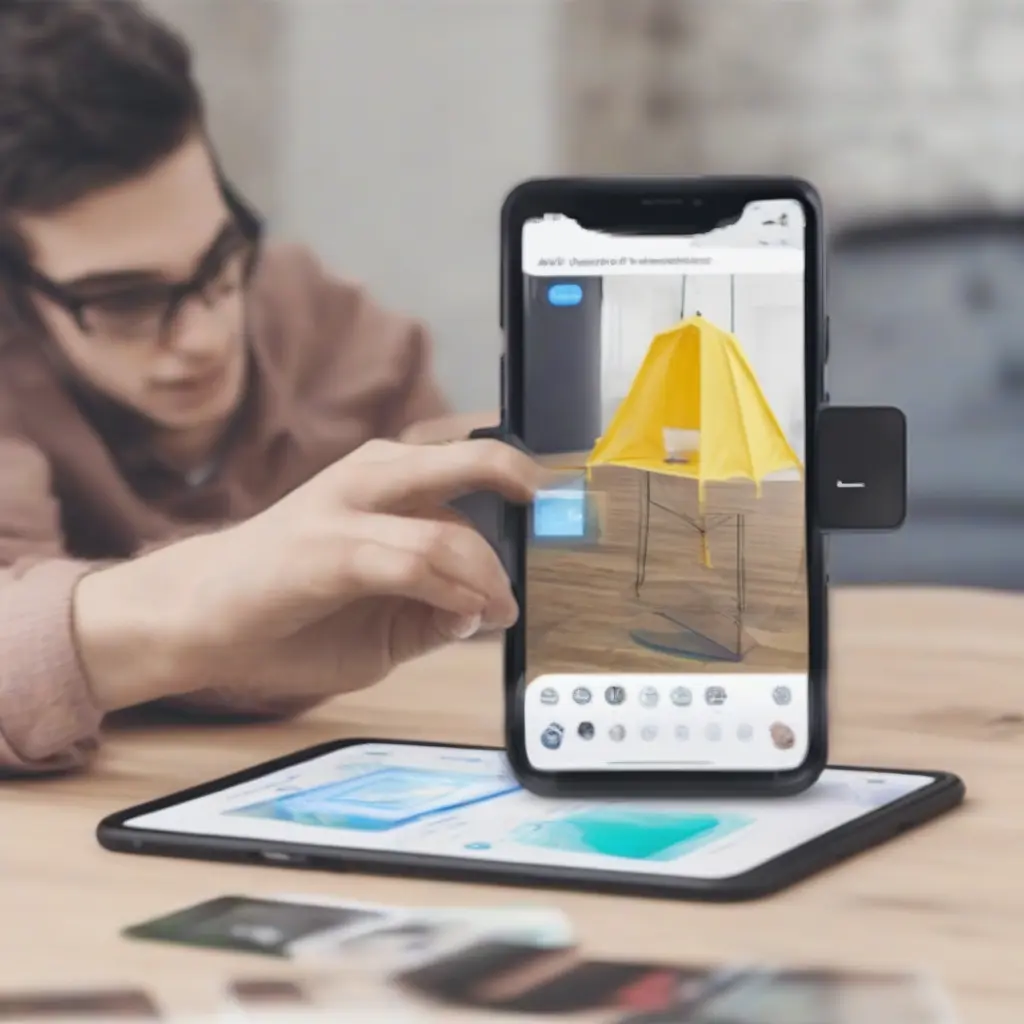
Augmented reality (AR) is a revolutionary technology that blends digital information with the physical world, enhancing user experiences. Its applications span various industries, from gaming and education to healthcare and retail. With the rise of smartphones and AR-enabled devices, understanding the basics of AR, its tools, and practical applications becomes essential for individuals and businesses alike. This article aims to provide a comprehensive overview of augmented reality, outlining its core principles and the innovative tools that make it possible.
What is Augmented Reality?
Augmented reality refers to the technology that overlays digital content—such as images, sounds, and other sensory enhancements—onto the real world. Unlike virtual reality, which creates an entirely immersive experience in a simulated environment, AR enriches one’s real-world perception. This technology uses various sensors and devices, such as smartphones or AR glasses, to analyze the real-time environment and integrate digital elements seamlessly. The versatility of AR allows users to interact with both real and virtual components simultaneously, greatly enhancing user engagement.
How Does Augmented Reality Work?
The operation of augmented reality relies on a combination of hardware and software technologies. AR generally involves a device with cameras, sensors, and processors that gather data from the environment. The AR software interprets this data using algorithms to determine how and where to display the virtual elements. Technologies like GPS, accelerometers, and computer vision play significant roles in recognizing environments and user intentions. Through the fusion of these technologies, AR creates an interactive experience that feels real and immediate.
Applications of Augmented Reality in Various Industries
Augmented reality has found extensive applications across numerous sectors. In healthcare, AR aids in complex surgeries by providing surgeons with critical overlays, enhancing precision and reducing risks. In education, AR transforms traditional learning methods by making complex subjects more engaging and interactive, fostering deeper understanding. Similarly, in retail, AR enables customers to visualize products in their environments before making purchases, thereby enhancing the shopping experience. Other industries, such as real estate and tourism, are also harnessing AR technologies to improve customer engagement and service delivery.
Popular Augmented Reality Tools
There are several tools available for both developers and end-users that facilitate the creation and utilization of AR experiences. Platforms like ARKit (for iOS) and ARCore (for Android) provide developers with comprehensive frameworks to build AR applications, simplifying the integration of augmented reality features. Additionally, tools like Vuforia and Unity enable the seamless development of robust AR content, offering diverse functionalities for various use cases. For end-users, applications such as Pokémon GO and Ikea Place make augmented reality accessible, demonstrating how easily it can enrich daily life.
Challenges in Augmented Reality Implementation
Despite its many advantages, implementing augmented reality poses distinct challenges. One significant issue is the need for substantial computational power and battery life, which can limit the usability of AR applications on mobile devices. Moreover, environmental factors such as lighting and physical obstructions can adversely affect AR performance, creating inconsistencies in user experiences. Ensuring privacy and security while collecting and processing user data for AR applications is another critical challenge. Addressing these issues is essential for the broader adoption of AR technologies.
The Future of Augmented Reality
The future of augmented reality is poised to be transformative, as advancements in technology continue to evolve. Innovations like 5G networks are expected to enhance the performance and accessibility of AR applications, enabling real-time data processing and interaction. Furthermore, as AR technology becomes more ingrained in daily life, businesses will likely explore new use cases, leading to improved consumer engagement and satisfaction. If trends continue, AR could redefine how individuals interact with their environments, bridging the gap between the virtual and physical worlds.
Conclusion
In conclusion, augmented reality stands at the intersection of technology and real-life interaction, presenting an array of possibilities across various industries. Understanding its workings, applications, and the tools involved can empower users and businesses to leverage AR effectively. As the technology continues to advance and permeate everyday experiences, it will undoubtedly play an increasingly significant role in shaping the future of communication, education, and entertainment.