

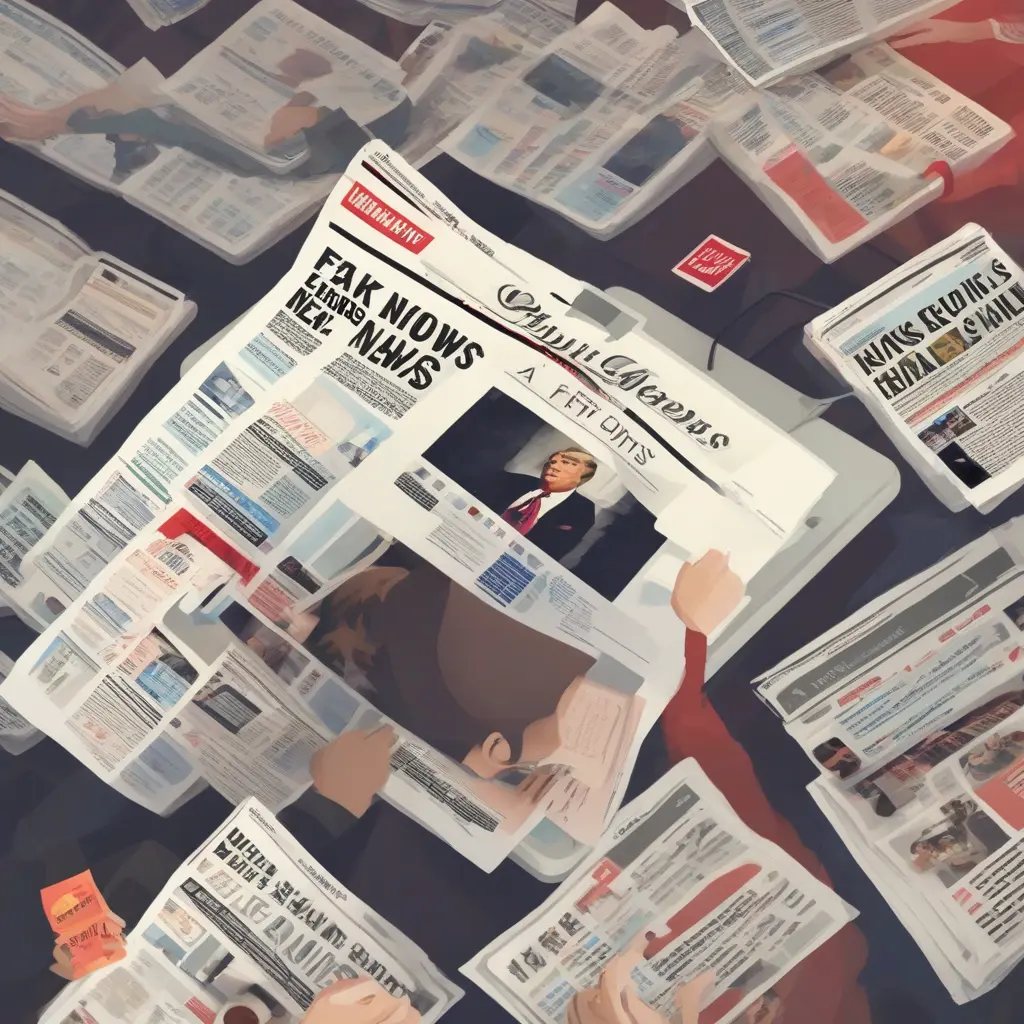
In today’s digital age, the spread of fake news has become a pressing issue that affects society at various levels. It can influence public perception, impact elections, and even create social divides. Understanding how to identify and report fake news is essential for everyone who consumes information online. This guide will provide you with the necessary tools and techniques to discern real news from misleading content, empowering you to make informed decisions and contribute positively to online conversations.
What is Fake News?
Fake news refers to false or misleading information presented as news, often spread via social media and online platforms. It can take many forms, including fabricated stories, clickbait headlines, or manipulated images. Fake news typically aims to mislead readers for political, financial, or personal gain. Understanding the definition and characteristics of fake news is the first step in combating its spread, as awareness allows users to approach content with a critical mindset.
Recognizing Key Indicators of Fake News
Several key indicators can help you identify fake news. Look for sensationalist headlines that provoke strong emotional reactions, as they often serve as red flags. Additionally, check the sources cited in the article; reputable news outlets typically reference credible sources. Be wary of articles that lack author attribution or provide scant information about the author. Lastly, consider whether the content aligns with your existing knowledge or appears too outrageous to be true.
Fact-Checking Resources: Tools You Can Use
Utilizing fact-checking resources can significantly enhance your ability to identify fake news. Websites like Snopes, FactCheck.org, and PolitiFact offer thorough analyses and clarifications on widely circulated stories. These platforms are dedicated to verifying claims, scrutinizing sources, and providing accurate information. Bookmarking these sites and regularly checking them when encountering questionable news articles can empower you to sift through misinformation effectively.
Evaluating Sources: Understanding Credibility
Determining the credibility of sources is crucial for identifying fake news. Look into the reputation and history of the publication or website presenting the information. Established news organizations typically adhere to stringent editorial standards. Additionally, consider the website’s ‘About’ page, which often provides insights into its mission and values. Investigating the author’s credentials and expertise in the subject matter can also help you gauge the reliability of the content presented.
The Role of Social Media in Spreading Misinformation
Social media plays a significant role in the rapid dissemination of fake news. Algorithms prioritize content that generates engagement, often amplifying misleading stories. Additionally, false information can spread quickly as users share it without official verification. It’s essential to approach information on social media with skepticism, verify claims before resharing, and discourage the spread of dubious content among your networks. Awareness of these dynamics can significantly contribute to reducing the impact of fake news.
Reporting Fake News: How to Take Action
If you encounter fake news, reporting it is vital in combating misinformation. Most social media platforms and news websites offer options to report false content. When reporting, provide specific details about why you believe the information is misleading, referencing credible sources if possible. By taking action, you not only help the platform take necessary measures but also contribute to a broader effort to ensure that accurate information prevails online.
Educating Others About Fake News
One of the most effective ways to combat fake news is by educating others about its dangers. Share your knowledge and resources with friends, family, and colleagues, encouraging them to be critical consumers of information. Create discussions around the importance of verifying sources and utilizing fact-checking tools. By fostering a culture of media literacy, you can help others identify and report fake news, leading to informed communities that prioritize truth.
The Importance of Media Literacy
Media literacy is essential in today’s information-rich environment. It empowers individuals to critically analyze content and recognize misleading narratives. By understanding how media is produced and consumed, users can identify biases and evaluate the credibility of sources. Promoting media literacy in educational settings can enhance critical thinking skills, encouraging students to become informed citizens capable of navigating the complexities of the digital landscape.
Conclusion
In conclusion, identifying and reporting fake news online requires a combination of critical thinking, resourcefulness, and proactive engagement. By understanding the characteristics of fake news, utilizing fact-checking resources, and educating others, individuals can significantly reduce the proliferation of misinformation. As we navigate through a complex media landscape, fostering media literacy and accountability will be essential in ensuring that truth prevails in our digital spaces.


