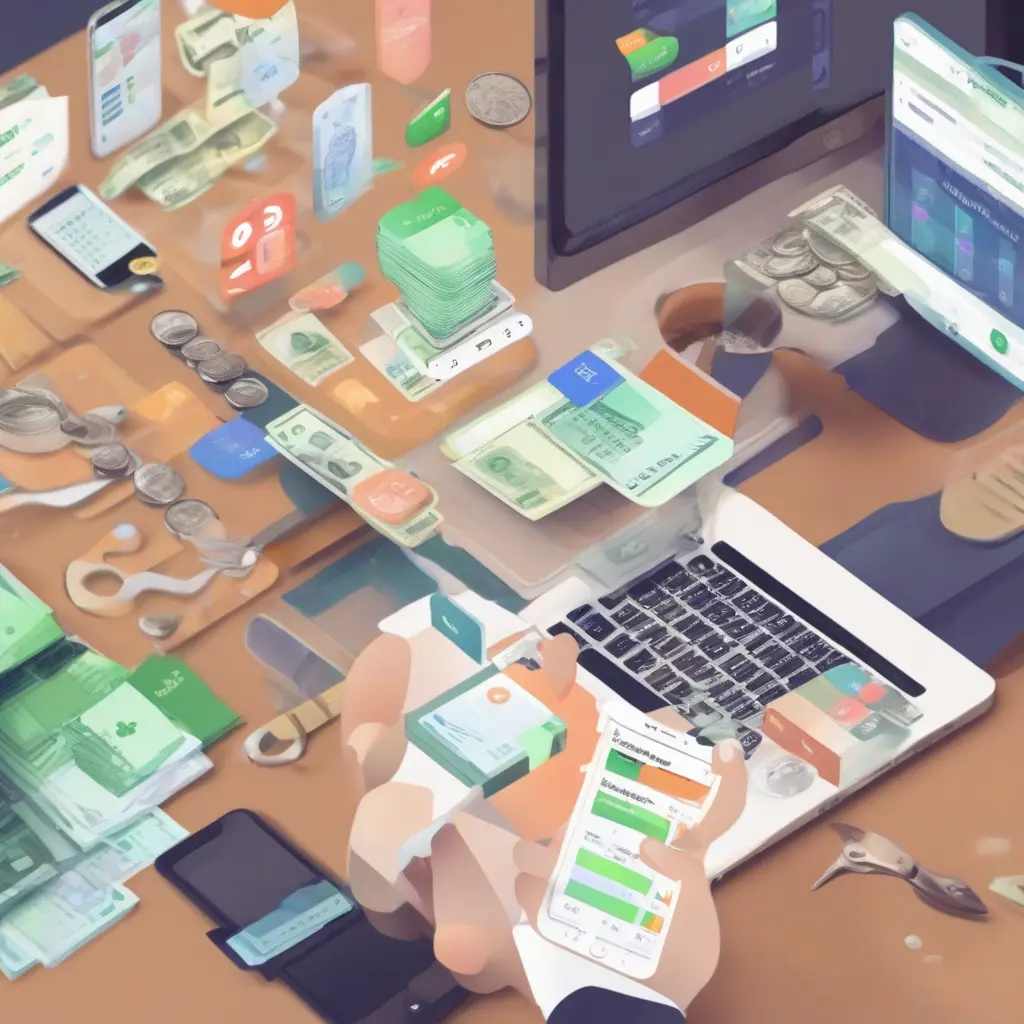
In today’s fast-paced world, effectively managing personal finances is more crucial than ever. Budgeting apps provide convenient, user-friendly solutions that help individuals track their spending, set saving goals, and visualize their financial health. This article explores the best budgeting apps available, highlighting their features, benefits, and why they are essential for anyone looking to take control of their finances. Whether you’re trying to save for a vacation, pay off debt, or simply manage your daily expenses, there’s an app tailored to meet your needs.
Why Use Budgeting Apps for Personal Finance Management?
Budgeting apps simplify the often daunting task of tracking personal finances by offering user-friendly interfaces and automated features. They enable users to categorize their expenses, set financial goals, and generate insightful reports that highlight spending trends over time. With features such as bank integration and real-time notifications, budgeting apps keep users informed and motivated to stick to their financial plans. Ultimately, these digital tools promote better financial habits and empower individuals to make informed decisions about their money.
Mint: A Comprehensive Financial Hub
Mint stands out as one of the most popular budgeting apps available today. Free to use, Mint allows users to connect all of their financial accounts to one platform, providing a holistic view of their finances. It automatically categorizes transactions, enabling seamless tracking of spending habits. Users can set budgets, track bills, and receive reminders, which helps to avoid late fees. Additionally, Mint offers credit score tracking and tips for improving it, making it an all-in-one tool for managing finances efficiently.
YNAB: The App to Help You Give Every Dollar a Job
You Need a Budget (YNAB) takes a proactive approach to budgeting, prompting users to allocate every dollar they earn to specific categories, a concept known as zero-based budgeting. This method encourages users to prioritize essential expenses and savings. YNAB offers educational resources, workshops, and a supportive community for its users. Although it requires a subscription fee, many users find the investment worthwhile due to the financial discipline and successful budget management it fosters.
EveryDollar: A Simple, Straightforward Approach
EveryDollar is designed for users who prefer a straightforward budgeting approach without complicated features. Created by financial guru Dave Ramsey, the app emphasizes the zero-based budgeting feature. Users manually input their income and expenses, allowing for an easy understanding of where money is going. The free version is functional, but the paid version offers additional features like bank syncing and customizable expense categories, making it ideal for those who want simplicity combined with flexibility.
Personal Capital: Invest and Budget All in One Place
Personal Capital is unique among budgeting apps because it combines personal finance management with investment tracking. Users can see a complete picture of their net worth, track expenses, and assess their investment portfolio all within one app. It provides tools for retirement planning and fee analysis, which help users understand the impact of their investment choices. While it targets users interested in both budgeting and investing, Personal Capital’s financial dashboard is useful for anyone seeking a comprehensive view of their finances.
PocketGuard: Keeping Your Budget on Track
PocketGuard focuses on simplifying budgeting by showing users exactly how much disposable income they have after accounting for bills, goals, and necessities. The app connects with bank accounts to track spending in real-time, which helps users stay within their budgets. PocketGuard’s interface is intuitive, making it easy to set spending limits in various categories. Its unique feature, ‘In My Pocket,’ shows users how much money they have to spend without compromising their financial goals, making budgeting less stressful.
GoodBudget: The Virtual Envelope System
GoodBudget takes the traditional envelope budgeting method into the digital realm. Users can allocate funds into various envelopes for different categories, promoting mindful spending. The app is great for both individuals and families, as it allows for easy sharing of budgets. GoodBudget is user-friendly, with features for tracking spending and setting savings goals. The free version offers basic budgeting tools, while a premium option provides additional envelopes and features for users seeking more robust functionality.
Spendee: Aesthetic Budgeting with Expense Tracking
Spendee stands out not only for its budgeting capabilities but also for its attractive and user-friendly design. Users can link bank accounts or enter transactions manually, allowing for flexibility based on personal preference. Spendee supports multiple currencies, making it suitable for travelers or expats. Additionally, users can create shared wallets for group expenses, making it a great choice for managing costs with friends or family during vacations or events. Its colorful charts and graphs make tracking progress engaging and visually appealing.
Choosing the Right Budgeting App for You
Selecting the ideal budgeting app largely depends on individual needs and preferences. Consider factors like your budgeting style, the features that matter most to you, and whether you’re comfortable with a subscription fee. Some users may prefer a simple interface with manual budget tracking, while others might benefit from automated tracking and financial insights. It’s also essential to explore apps with strong security measures, especially those that link to personal bank accounts, to ensure data privacy is maintained.
The Future of Budgeting Apps
As technology continues to evolve, the future of budgeting apps is likely to see even more innovative features that enhance personal finance management. Expect increased integration with artificial intelligence that personalizes budgeting suggestions based on spending behavior. Moreover, advancements in biometric security and blockchain technology may improve the security of sensitive financial data. As more people recognize the importance of financial health, budgeting apps will likely become even more essential tools in achieving financial stability and success.
Conclusion
In conclusion, budgeting apps have transformed the way individuals manage their finances, providing accessible, effective solutions for tracking expenses and setting financial goals. With options like Mint, YNAB, and Others, users are equipped with tools that suit various budgeting needs and preferences. By embracing these digital tools, individuals gain the power to take charge of their financial future, underscoring the importance of smart financial management in today’s economy.