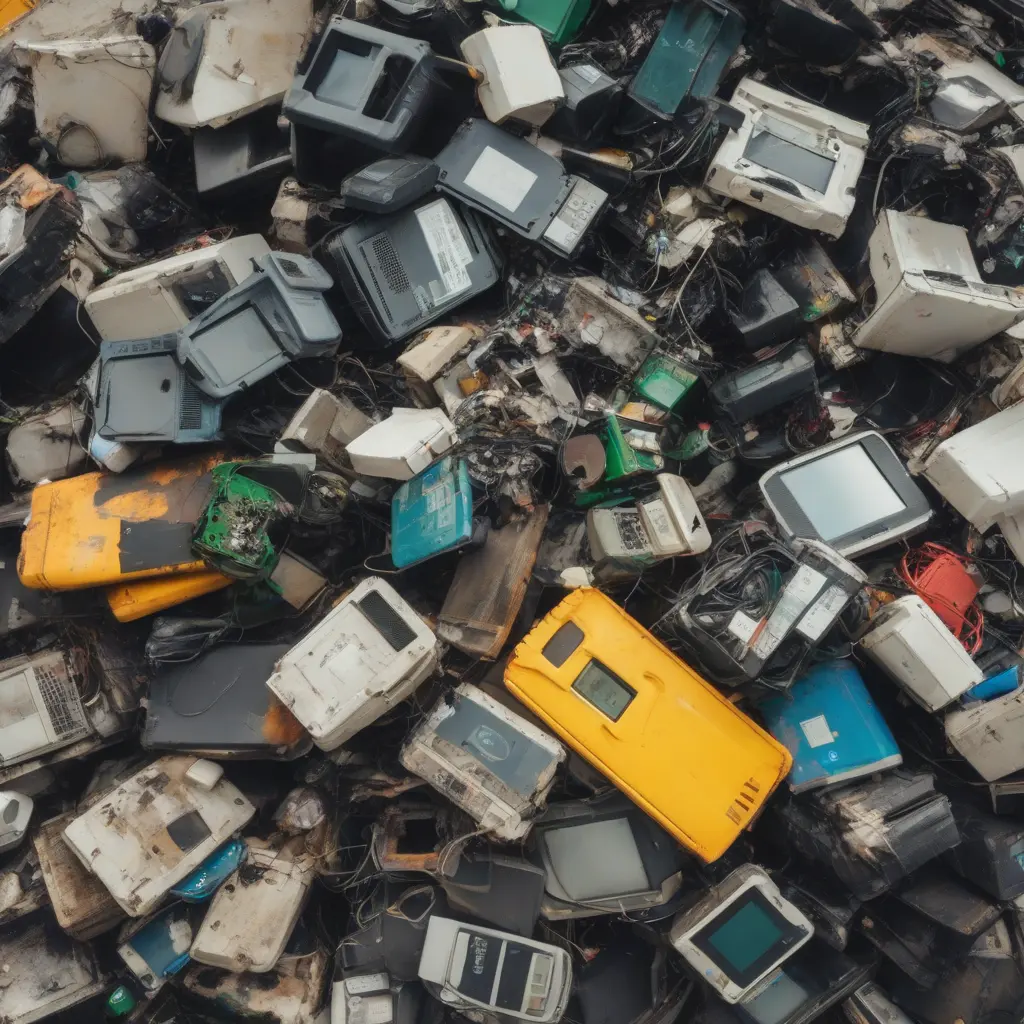
E-waste, or electronic waste, encompasses discarded electrical or electronic devices. In India, the rapid technological advancement has resulted in a significant increase in e-waste. As devices become obsolete, improper disposal poses a substantial environmental risk. Understanding the legal framework around e-waste disposal and adopting best practices is crucial for both individuals and businesses. Regulations aim to promote recycling and safe disposal methods to minimize the hazardous effects of e-waste. In this article, we will explore e-waste regulations in India, the consequences of improper disposal, and sustainable disposal practices.
Understanding E-Waste and Its Impacts
E-waste consists of various electronic items, including computers, mobile phones, and televisions. As technology advances, millions of devices are discarded yearly, creating significant environmental issues. The improper disposal of e-waste can result in toxic substances, including lead and mercury, leaching into the soil and water systems, which poses severe health risks. Moreover, the accumulation of e-waste contributes to landfills, further exacerbating the waste crisis. Understanding the implications of e-waste encourages responsible disposal and recycling, emphasizing the need for effective management practices.
E-Waste Disposal Regulations in India
In India, e-waste management is guided by the E-Waste (Management) Rules, introduced in 2016. These regulations outline the responsibilities of producers, consumers, and recyclers in managing electronic waste. Key aspects include the Extended Producer Responsibility (EPR), which holds producers accountable for the collection and recycling of their products. The rules mandate proper disposal and safe recycling methods while establishing guidelines for setting up e-waste collection centers. Understanding these regulations is essential for compliance and ethical responsible waste management in the electronic sector.
Extended Producer Responsibility (EPR)
Extended Producer Responsibility (EPR) plays a crucial role in e-waste management in India. This concept makes manufacturers responsible for the entire lifecycle of their products, from production to disposal. Under EPR, producers are required to collect and recycle a specific percentage of the e-waste generated from their products. This shift encourages companies to design products that are easier to recycle and less harmful to the environment. As companies implement EPR, it fosters a culture of sustainability and accountability, compelling them to develop innovative solutions for e-waste management.
Role of Consumers in E-Waste Management
Consumers also play a pivotal role in e-waste management by making informed decisions about disposal. It is essential for individuals to understand the importance of proper e-waste disposal to minimize environmental harm. Instead of discarding old electronics in landfills, consumers should seek authorized e-waste collection points or recycling facilities. Additionally, many manufacturers offer take-back schemes, allowing consumers to return old devices responsibly. By taking proactive steps, individuals contribute significantly to reducing e-waste and promoting sustainable recycling practices.
Legal Consequences of Improper E-Waste Disposal
Improper disposal of e-waste can lead to severe legal consequences for individuals and businesses alike. In India, the E-Waste (Management) Rules impose penalties for non-compliance, including fines and prosecution. Businesses that fail to adhere to the established regulations risk damaging their reputation and facing legal actions. Furthermore, improper disposal can lead to environmental degradation, resulting in community backlash and scrutiny. Understanding the legal ramifications encourages responsible e-waste handling, emphasizing the significance of adhering to laws designed for environmental safety.
Best Practices for E-Waste Disposal
Implementing best practices for e-waste disposal is vital to managing electronic waste effectively. Individuals and businesses should prioritize recycling by locating certified e-waste recyclers in their areas. Many local governments offer collection drives or drop-off sites for e-waste. Additionally, practicing refurbishing or donating functional devices can prolong their lifespan while reducing waste. Educating oneself about environmentally friendly disposal methods enhances awareness and reinforces the importance of responsible e-waste management. By adopting these practices, everyone can contribute to a healthier environment.
The Role of E-Waste Recycling Companies
E-waste recycling companies are essential in handling discarded electronic products safely and responsibly. These companies specialize in dismantling e-waste, extracting valuable materials, and ensuring hazardous elements are disposed of correctly. Recycling not only reduces the environmental impact of e-waste but also recovers precious metals and components that can be reused in new products. As the demand for electronic devices increases, the role of these companies has become increasingly crucial to maintaining sustainable practices within the tech industry. Engaging with reliable recycling partners is pivotal for effective e-waste management.
Impact of E-Waste on Health
The health implications of improper e-waste disposal cannot be overstated. Exposure to toxic substances found in e-waste, such as cadmium, lead, and brominated flame retardants, poses significant health risks to humans. These toxins can accumulate in the body, leading to chronic health issues, including respiratory problems, neurological disorders, and even cancer. Moreover, informal recycling activities often expose workers, particularly in underprivileged communities, to hazardous materials without adequate safety measures. Understanding the health risks associated with e-waste highlights the urgent need for proper disposal methods and increased awareness.
Global Perspectives on E-Waste Management
Globally, e-waste management practices vary significantly, but many countries are adopting stricter regulations in response to rising waste levels. For instance, the European Union has established comprehensive directives aiming at reducing e-waste and promoting recycling and recovery. Learning from global best practices can help India enhance its regulatory framework and improve e-waste management strategies. International cooperation on e-waste can lead to knowledge sharing and innovation in developing sustainable solutions. By understanding global perspectives, India can take meaningful steps toward an effective e-waste management system.
Community Awareness and Education
Community awareness and educational initiatives are critical in promoting responsible e-waste management. Local programs and workshops focusing on the impacts of e-waste and the importance of recycling create informed citizens. Schools, businesses, and government bodies can collaborate to raise awareness through campaigns and activities aimed at encouraging responsible disposal practices. Community engagement fosters a collective approach toward managing electronic waste and cultivates a culture of sustainability. Educational materials should be accessible to all, ensuring everyone understands their role in e-waste management, ultimately leading to positive environmental outcomes.
Conclusion
In conclusion, understanding e-waste disposal regulations and best practices in India is vital for promoting environmental sustainability and public health. With increasing electronic waste, responsible disposal and recycling can significantly mitigate its adverse effects. By adhering to the E-Waste (Management) Rules and adopting proactive measures, individuals and businesses can contribute to a safer environment. The collective effort in managing e-waste will lead to a healthier society and a cleaner planet, reinforcing the need for awareness and action in electronic waste management.