Virtual reality (VR) has emerged as a transformative technology, offering users immersive experiences that blend the digital and physical worlds. From gaming to education, VR applications are vast and varied, inviting users to explore new dimensions of interaction. With various headsets and platforms available, getting started may seem overwhelming. This guide aims to demystify virtual reality, providing essential information about its components, experiences, and how to dive into this exciting frontier.
What is Virtual Reality?
Virtual reality is a simulated experience that can mimic or completely differ from the real world. It typically uses VR headsets equipped with displays to manage user views, creating a 360-degree environment that feels immersive. Users can interact with this environment through controllers or other input devices, enhancing the sense of presence. The technology combines graphics, sound, and sometimes even haptics (touch feedback) to immerse users deeply, making VR a unique medium for entertainment and professional applications.
How Does Virtual Reality Work?
VR operates by utilizing a combination of hardware and software that work in harmony to create immersive experiences. The primary components include a VR headset, which displays computer-generated images, and input devices like hand controllers that track user movements. Software applications are designed to respond to these inputs, allowing users to engage with the virtual environment. Sensors in the headset track head and eye movements, ensuring a real-time and responsive experience. This synergy creates the sensation of being present in a digital world.
Types of Virtual Reality Headsets
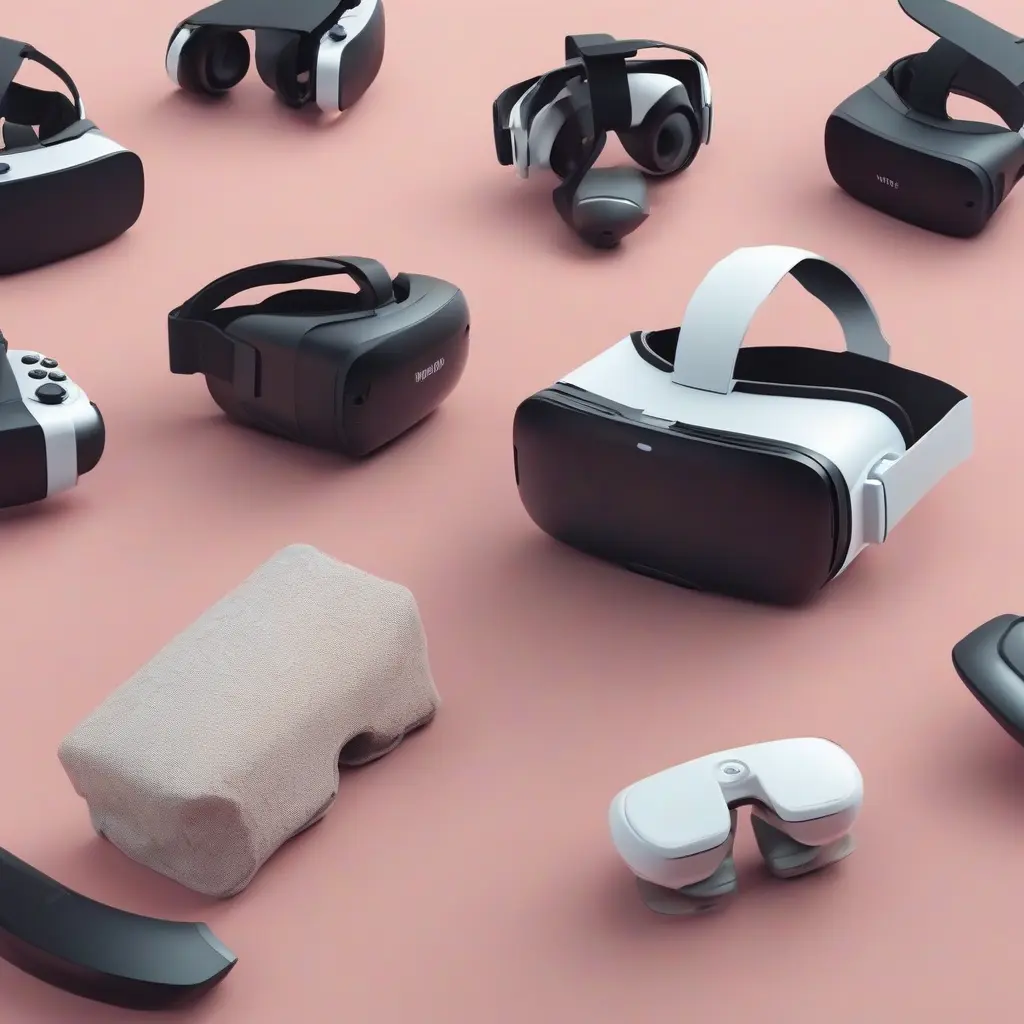
There are several types of VR headsets available, catering to different preferences and budgets. Standalone headsets, like the Oculus Quest series, do not require a gaming console or PC and offer a self-contained experience. Tethered headsets, such as the HTC Vive and Oculus Rift, connect to high-performance PCs for enhanced graphics and processing capabilities. Then, there are mobile VR headsets, which use smartphones as displays. Each type has its strengths and weaknesses, making it essential to understand your needs before selecting a device.
Popular Virtual Reality Experiences
Virtual reality offers a wide array of experiences across various genres. In gaming, titles like ‘Beat Saber’ and ‘Half-Life: Alyx’ have garnered attention for their immersive gameplay and engaging storytelling. Beyond gaming, VR is utilized in fields like education and training, with simulations that allow users to practice skills in safe environments. Virtual tourism and social VR platforms like VRChat let users explore distant locations or connect with others in shared virtual spaces, highlighting the versatility of VR technology.
Getting Started with Virtual Reality
To get started with virtual reality, the first step is to choose a suitable headset that fits your usage needs and budget. Once you have the hardware, download necessary software or applications from official stores. Ensure your system meets any hardware requirements for optimal performance. It may also be beneficial to explore introductory content designed to familiarize you with the controls and mechanics of VR. Consider starting with simple experiences to gradually acclimate to the technology and improve your comfort level.
Understanding VR Safety Practices
Safety is a crucial aspect of engaging with virtual reality. Users should be aware of their surroundings and ensure there is adequate space to avoid accidents. VR can sometimes lead to discomfort or motion sickness, especially in more intense experiences. It’s recommended to take regular breaks to ease any discomfort and allow your senses to adjust. Additionally, familiarize yourself with the settings on your headset that can help mitigate these issues, such as comfort modes or boundary settings.
The Future of Virtual Reality
The future of virtual reality appears promising as advancements continue to emerge. Innovations in hardware, such as lighter and more comfortable headsets, aim to enhance user experiences. The applications of VR are expanding, with industries like healthcare, real estate, and virtual events increasingly relying on immersive technology. As more developers create content, including educational programs and social platforms, VR may become a more integral part of everyday life, offering new ways to learn, connect, and entertain.
Challenges Facing Virtual Reality
Despite its potential, virtual reality faces several challenges that may hinder widespread adoption. High costs associated with top-tier hardware and setup can be a barrier for many consumers. Furthermore, standardization across platforms remains an issue, complicating content sharing and compatibility. There are also concerns regarding user comfort and reduced physical activity due to prolonged sessions in VR. Addressing these challenges will be crucial in popularizing the technology and ensuring a positive experience for all users.
Conclusion
In conclusion, virtual reality opens up a world of possibilities, from immersive gaming to innovative training solutions. As you embark on your VR journey, understanding the fundamentals, including hardware choices and applications, will enhance your experience. By remaining informed about safety practices and the evolving landscape of VR, you’ll be better equipped to navigate this exciting technological frontier, ultimately enriching your life through immersive experiences.