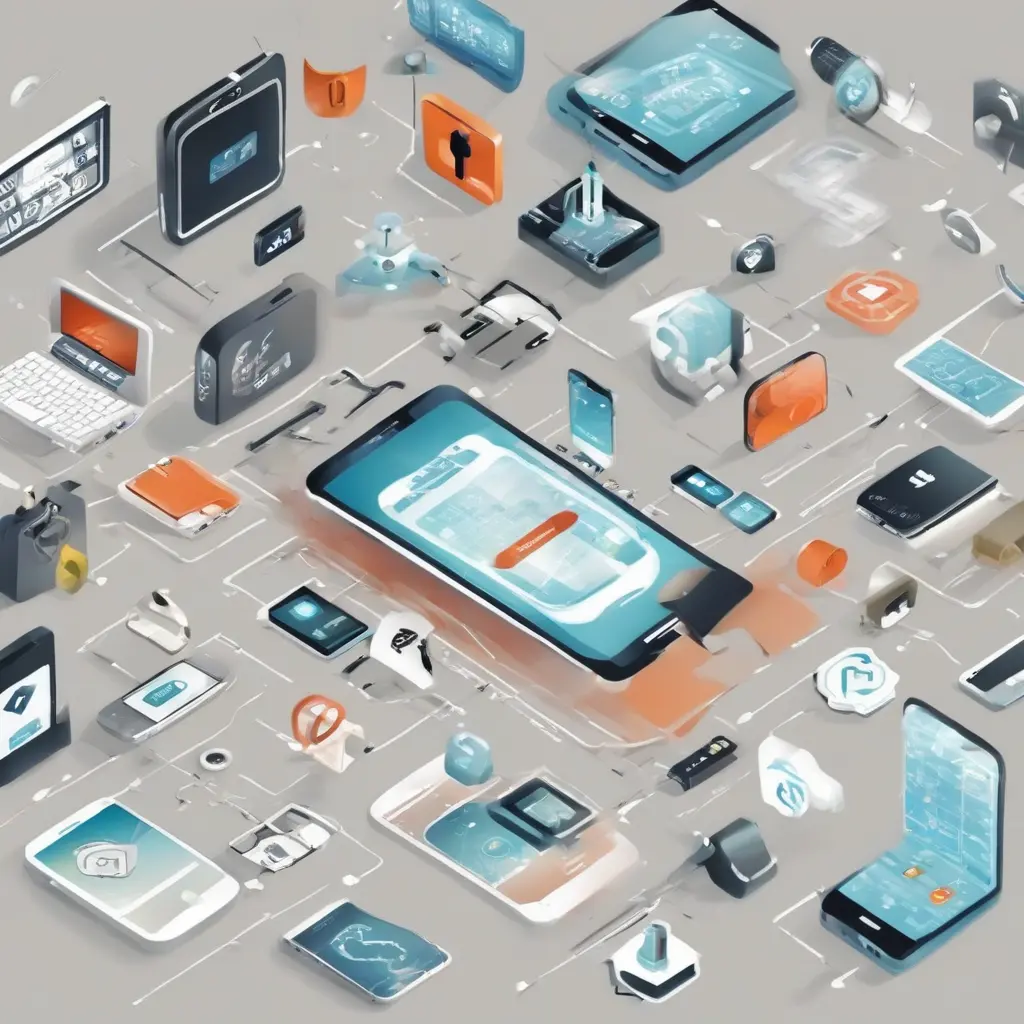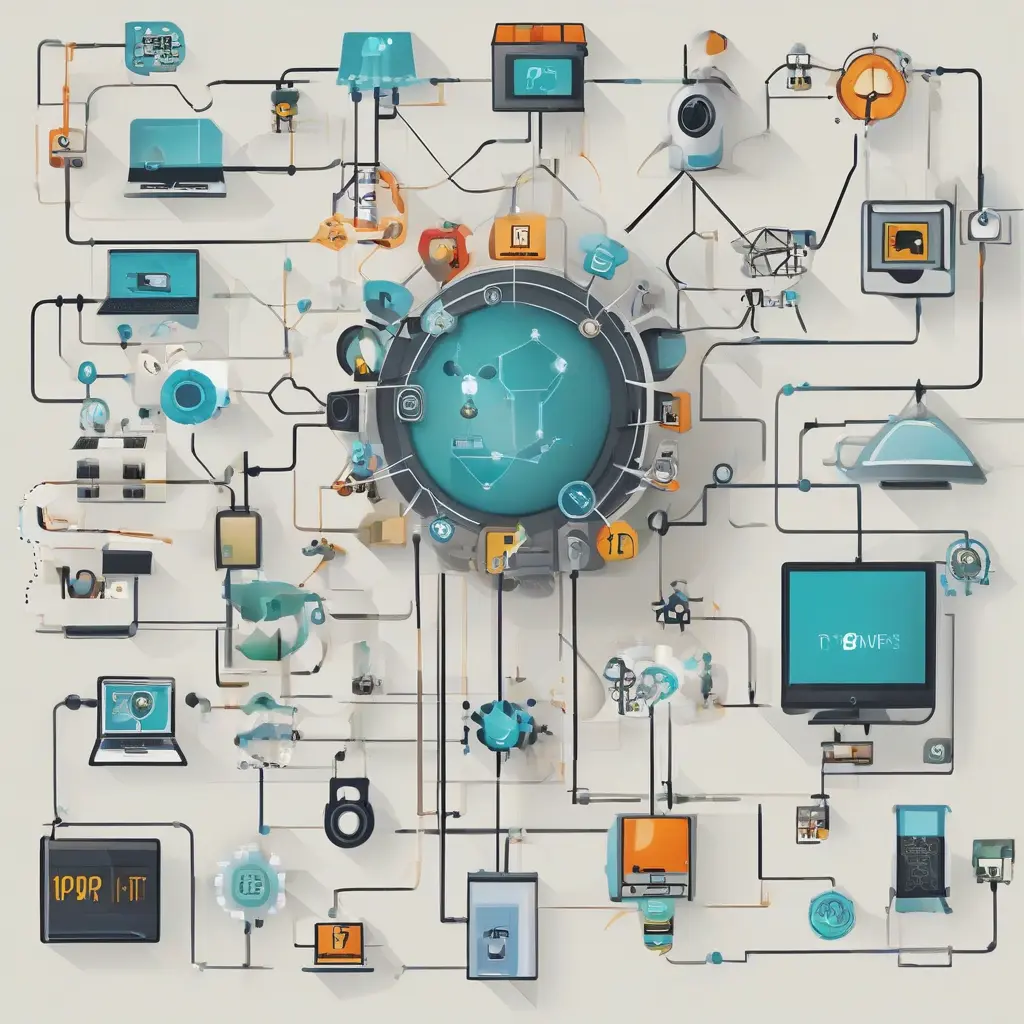
The Internet of Things (IoT) is a network of interconnected devices that communicate and share data over the internet. These devices, ranging from wearables to smart home appliances, are designed to enhance everyday life by automating tasks, improving efficiency, and providing real-time information. As IoT technology continues to evolve, it opens new doors for innovation in various fields, including healthcare, transportation, and home management. Understanding these applications and their benefits is essential for making informed decisions about technology in our lives.
What Are IoT Devices?
IoT devices are physical objects embedded with sensors, software, and other technologies that enable them to connect and exchange data with other devices over the internet. This connectivity allows for a wide range of functionalities, from enabling remote monitoring to automating simple household tasks. Common examples include smart thermostats, wearable fitness trackers, and connected vehicles. Each of these devices relies on data collection and analysis to facilitate smart interactions, ultimately increasing convenience and efficiency in daily activities.
Benefits of Smart Home Devices
Smart home devices are among the most popular IoT applications, offering numerous benefits. They can significantly enhance energy efficiency by optimizing heating, cooling, and lighting based on user habits or weather conditions. Beyond energy savings, these devices improve security through smart locks and cameras that can be monitored remotely. Additionally, convenience is a major draw, as users can control devices via smartphones or voice commands. Overall, smart home devices contribute to a more comfortable and secure living environment.
Health Monitoring with IoT
In the healthcare sector, IoT devices play a transformative role by facilitating continuous health monitoring and management. Wearable devices, such as fitness trackers and smartwatches, collect data on heart rate, activity levels, and sleep patterns, providing users with insights into their health. Hospitals and clinics utilize IoT-enabled medical equipment to monitor patients remotely, reducing the need for frequent visits. This continuous data stream allows healthcare providers to make timely interventions, ultimately leading to better patient outcomes and more efficient healthcare delivery.
IoT in Transportation
The transportation industry is leveraging IoT technology to improve efficiency and safety. Connected vehicles can communicate with each other and the infrastructure to optimize traffic flow, reducing congestion and emissions. Fleet management systems utilize IoT devices to monitor vehicle performance and location in real-time, enabling better route planning and maintenance scheduling. Furthermore, advancements like smart traffic lights and parking systems enhance urban mobility by streamlining the movement of vehicles and pedestrians alike, making cities smarter and more efficiently navigable.
Industrial Applications of IoT
In industrial settings, IoT devices are pivotal in automating processes and enhancing operational efficiency. Known as the Industrial Internet of Things (IIoT), these applications involve using sensors and connected machinery to monitor equipment performance and predict maintenance needs. This proactive approach helps to minimize downtime and reduce costs associated with unexpected failures. Additionally, IIoT solutions can enhance supply chain management by providing real-time data on inventory levels and production, allowing for better decision-making and streamlined operations.
Challenges of Implementing IoT Solutions
Despite the many benefits of IoT devices, challenges remain in their implementation and adoption. Security concerns are paramount, as connected devices can be vulnerable to hacking and data breaches. Privacy issues arise with the proliferation of data collection, making it crucial for users to understand how their information is used. Additionally, the interoperability of devices from different manufacturers can pose integration challenges, limiting the full potential of IoT ecosystems. Addressing these issues is essential to foster trust and encourage broader adoption of IoT technologies.
Future Trends in IoT Technology
Looking ahead, several trends are shaping the future of IoT technology. Enhanced artificial intelligence (AI) integration is set to enable smarter decision-making and automation capabilities. 5G technology promises faster and more reliable connectivity, which will improve device responsiveness and performance. Furthermore, edge computing will play a significant role in processing data closer to the source, reducing latency and bandwidth use. These advancements indicate that the IoT landscape will continue to evolve, offering even more innovative applications and benefits in various sectors.
Conclusion
The Internet of Things offers a myriad of applications that enhance our daily lives through automation, data collection, and improved efficiency. From smart homes to health monitoring and industrial applications, IoT devices play an integral role in shaping our modern world. As technology continues to advance, it is crucial to address the challenges while maximizing the benefits, ensuring that we can fully leverage the potential of IoT for a smarter, more connected future.