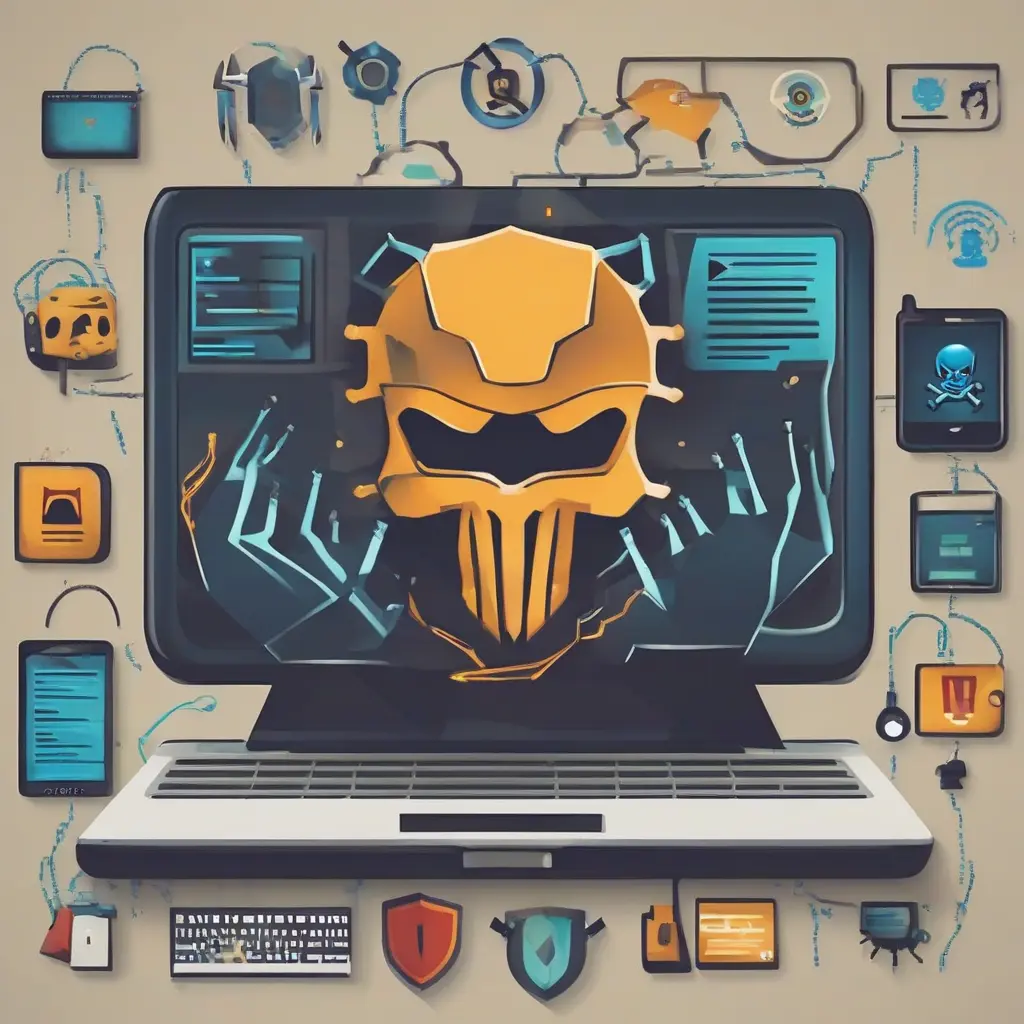
Malware, short for malicious software, poses significant threats to personal and organizational data. With an increasing reliance on technology, understanding different malware types and how they can infiltrate devices is crucial. Common types include viruses, worms, trojans, ransomware, and adware, each exploiting vulnerabilities in various ways. This article will delve into these malware types, their characteristics, and effective strategies for protection, ensuring users can safeguard their devices and sensitive information against potential harm.
What is Malware?
Malware, or malicious software, encompasses a range of harmful software designed to disrupt, damage, or gain unauthorized access to computer systems. It can manifest in numerous forms, including viruses, worms, trojans, and spyware. The primary goal of malware is often to steal sensitive information, cause financial loss, or compromise system integrity. As technology continues to evolve, so too does the sophistication of malware, making it essential for users to remain vigilant and informed about potential threats.
Types of Malware: An Overview
Malware can be classified into various types, each with unique characteristics and methods of distribution. Common varieties include viruses, which attach themselves to legitimate files; worms, which self-replicate and spread across networks; trojans, masquerading as legitimate programs; ransomware, which encrypts files and demands payment for restoration; and adware, which delivers unwanted advertisements. Understanding these classifications helps users identify potential risks and implement appropriate security measures.
Viruses: The Classic Malware Threat
Computer viruses are one of the oldest types of malware, often spreading through infected files or emails. They attach themselves to legitimate programs and can replicate themselves when those programs are executed. The primary purpose of a virus can range from harmless pranks to serious data corruption or theft. Users should exercise caution while downloading files from untrusted sources and ensure that their antivirus software is up-to-date to defend against these threats.
Worms: Self-Replicating Malware
Worms are a subclass of malware that can replicate and spread independently across networks without requiring a host program. They often exploit vulnerabilities in operating systems or applications, duplicating themselves across connected devices. The rapid propagation of worms can lead to significant network disruptions and may cause data breaches. Implementing firewalls and keeping software updated are crucial steps to protect against worm attacks.
Trojans: The Deceptive Malware
Trojans are designed to deceive users by masquerading as legitimate software or files. Unlike viruses and worms, they do not replicate themselves but rely on users to install them. Once activated, trojans can grant cybercriminals access to sensitive data or control over the infected device. To protect against trojans, users should be cautious with downloads and install software only from reputable sources.
Ransomware: The Financial Threat
Ransomware is a particularly dangerous type of malware that encrypts a user’s files, rendering them inaccessible until a ransom is paid. This form of malware can inflict severe financial damage, especially on organizations that rely heavily on data. To safeguard against ransomware, regular backups of important data, user education about phishing tactics, and the use of robust security software are essential strategies.
Adware: Less Malicious but Intrusive
Adware is software that automatically displays or downloads advertisements onto a user’s computer. While it is often viewed as less harmful than other types of malware, it can lead to a cluttered user experience and may collect data on browsing habits. Users can protect themselves from adware by using ad blockers, scrutinizing privacy policies before installation, and regularly scanning their systems for unwanted software.
Spyware: Stealthy Information Thief
Spyware operates stealthily on a device, gathering personal and sensitive information without the user’s consent. This can include tracking browsing habits, capturing keystrokes, or stealing personal details. The data collected is often used for malicious purposes, including identity theft. To combat spyware, users should employ anti-spyware software and remain wary of unfamiliar applications and websites.
How to Recognize Malware Symptoms
Identifying malware infections can be challenging, but there are common symptoms to watch for. These include unexpectedly slow performance, frequent crashes, unwanted advertisements, and unfamiliar programs appearing on your device. Additionally, changes in your browser settings or homepage can signify an infection. Regularly monitoring device performance and performing routine scans can help detect potential malware issues before they escalate.
Best Practices for Malware Protection
Implementing best practices for malware protection is essential for users. Regularly updating software and operating systems reduces vulnerabilities that malware can exploit. Using reputable antivirus software provides an additional layer of defense, along with firewalls. Moreover, users should exercise caution when clicking on links or downloading attachments from unknown sources and back up important files to mitigate potential data loss.
Cyber Hygiene: Essential for Security
Practicing good cyber hygiene is a proactive approach to safeguarding your devices and information. This includes regularly changing passwords, using complex and unique passwords for different accounts, and enabling two-factor authentication where possible. Additionally, educating oneself and others about common cyber threats and safe browsing practices can significantly reduce the risk of malware infections and enhance overall security.
The Role of Software Updates
Software updates play a critical role in mitigating malware risks by patching known vulnerabilities. Cybercriminals often exploit outdated software to gain access to sensitive systems. Therefore, enabling automatic updates ensures that your device is equipped with the latest security measures. Users should also prioritize updating all applications, operating systems, and firmware to create a robust defense against potential malware threats.
The Importance of Data Backups
Regular data backups are vital in protecting against data loss from malware attacks, particularly ransomware. By maintaining recent copies of your files, you can restore your system to its previous state without succumbing to ransom demands. Consider using a reputable cloud backup service or external storage solutions to create multiple backups. This practice not only secures your data against malware but also protects against hardware failures or accidental deletions.
Staying Informed About Malware Trends
The landscape of malware is constantly evolving, making it important for users to stay informed about the latest trends and threats. Following cybersecurity news, subscribing to security blogs, and participating in forums can provide valuable insights. Understanding emerging malware types and the tactics used by cybercriminals will empower users to take proactive steps in defending their devices and data.
Conclusion
In summary, understanding different types of malware and recognizing potential threats is crucial for all users. By implementing best practices, staying informed, and utilizing effective security measures, individuals can significantly reduce their risk of falling victim to malware attacks. As technology continues to advance, remaining vigilant will play an essential role in protecting personal and organizational data from malicious software.