Podcasting has emerged as a powerful medium for storytelling, education, and entertainment, making it increasingly popular among individuals and brands alike. For beginners, getting started can feel daunting, especially regarding the technical setup required for high-quality audio production. This guide aims to simplify the process by outlining the essential equipment, software, and techniques needed to launch a successful podcast. Whether you are recording solo episodes or conducting interviews, understanding the basics will set a strong foundation for your podcasting journey.
Understanding Podcasting Basics
Before diving into the technical setup, it’s vital to grasp what podcasting entails. At its core, a podcast is a series of spoken-word audio episodes focused on a particular subject or theme. The episodes are usually available for streaming or download via various platforms, allowing listeners to access content conveniently. Content creators should consider their target audience and content niche, as this will influence both format and equipment choices. Familiarizing oneself with the basic structure of podcasts, including scripting and timing, can also enhance the overall listener experience.
Choosing Quality Recording Equipment
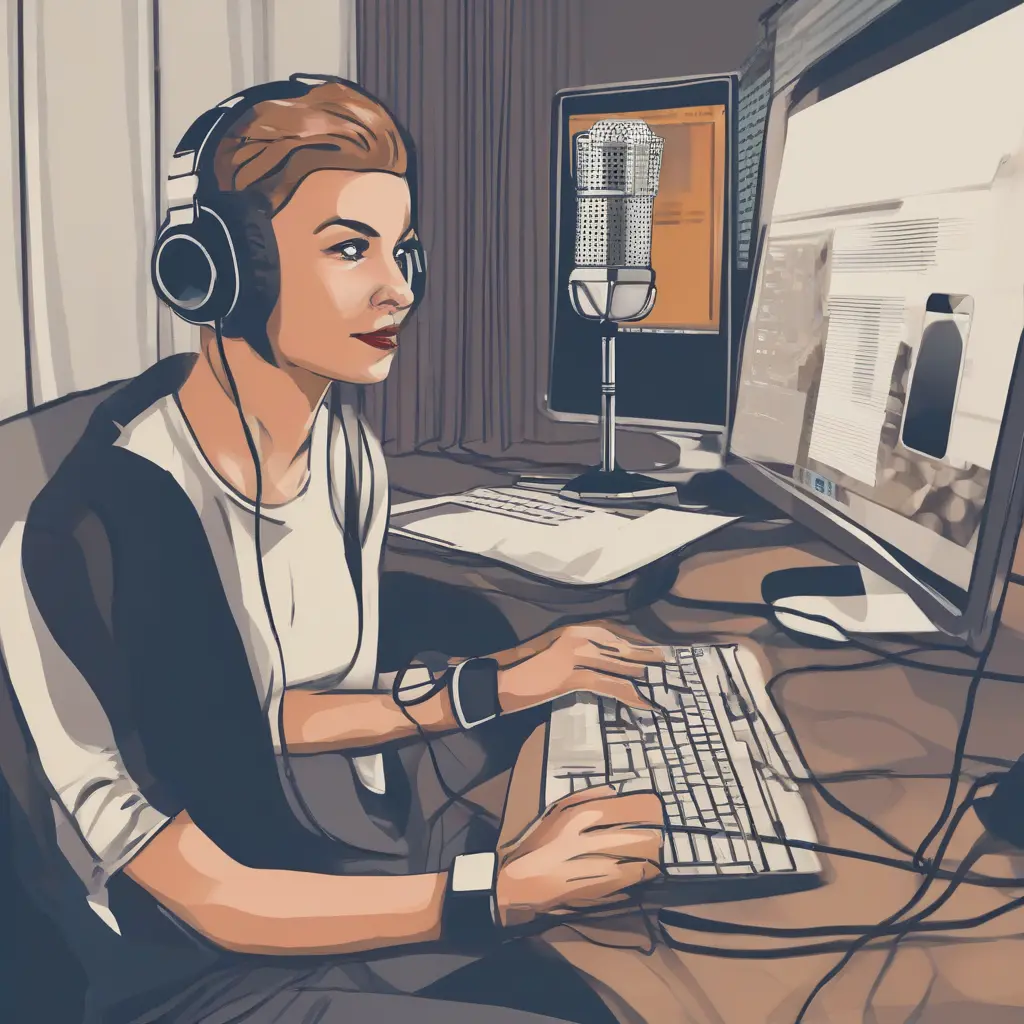
Selecting the right recording equipment is crucial for achieving professional-sounding audio. A good quality USB microphone can significantly enhance audio clarity and reduce background noise. Options such as dynamic or condenser microphones have their advantages; dynamic mics are typically better for untreated spaces, while condenser mics pick up finer details. Additionally, investing in pop filters and shock mounts can help reduce unwanted noise and vibrations. Ensuring that your recording environment is quiet and free from distractions will also contribute to the quality of your recordings.
Audio Interfaces: Bridging the Gap
For those looking to use XLR microphones rather than USB models, an audio interface is essential. An audio interface converts the analog signals from your microphone into digital audio that your computer can utilize. Look for interfaces with good preamps and multiple inputs if you plan on hosting guests. Many interfaces also come with built-in headphone outputs to allow for real-time audio monitoring. Understanding how to set up and utilize an audio interface can be a key component in elevating your podcasting audio quality.
Selecting Podcasting Software
Choosing podcasting software is just as important as the hardware. There are various editing software options available, ranging from beginner-friendly programs like Audacity and GarageBand to more advanced choices like Adobe Audition and Reaper. These programs allow you to edit your audio, add effects, and refine your content for a polished final product. It’s crucial to select software that fits your technical skill level while offering the features you require. Familiarizing yourself with the functionalities of your chosen software will aid in creating engaging podcast episodes.
Finding Your Hosting Platform
An essential element of podcasting is selecting a reliable hosting platform to distribute your episodes. Popular hosting services include Libsyn, Podbean, and Anchor, each offering various plans based on your needs. Your hosting choice should provide RSS feed capabilities, which are necessary for podcast distribution on platforms like Apple Podcasts and Spotify. Additionally, evaluate the analytics features of your hosting service, as tracking listener data can help you refine your content strategy over time. Choosing the right hosting platform is critical for reaching and engaging your target audience.
Recording Techniques for Beginners
Recording your podcast effectively requires attention to detail and good techniques. Ensuring that you maintain a consistent distance from the microphone can prevent fluctuations in audio levels. It’s also recommended to perform sound checks before recording each episode. Make use of headphones while recording to catch issues in real-time and prevent echoes or feedback. Consider recording in a quiet environment with minimal background noise to achieve cleaner audio. Mastering these basic recording techniques can greatly enhance the quality of your podcast.
Editing Tips for Polished Audio
The editing phase is where your podcast truly comes together. Start by removing any unnecessary sections or mistakes, as well as adjusting volume levels for consistency. Utilizing features such as compression can help maintain a balanced sound, making your podcast more pleasant to listen to. Adding intro and outro tracks creates a professional feel and provides branding for your episodes. Take time to learn editing shortcuts within your chosen software, as this can streamline the editing process and improve overall efficiency.
Creating Engaging Show Notes
Show notes serve as an essential companion to each podcast episode, providing valuable information and enhancing listener engagement. Include a brief overview of the episode’s content, timestamps for segments, and links to any resources mentioned. Engaging show notes can also help improve SEO rankings by using pertinent keywords related to your podcast topic. By offering value in the form of written content, you not only provide listeners with useful context but also attract potential new audiences who read and search for related content online.
Marketing Your Podcast
Once your podcast is live, effective marketing becomes critical in attracting listeners. Social media platforms can be invaluable for promoting episodes and connecting with your audience. Create engaging promotional graphics and share snippets to entice potential listeners. Collaborating with other podcasters or guest features allows you to tap into new audiences as well. Encouraging listener reviews and feedback also plays a vital role in building a community and improving visibility across podcast platforms. A well-strategized marketing approach can significantly elevate your podcasting efforts.
Conclusion
Starting a podcast involves navigating various technical setups and creative processes, but with the right equipment and techniques, this journey can be immensely rewarding. By understanding podcasting basics, selecting quality hardware and software, and marketing effectively, beginners can establish a strong online presence and engage their audience. Continuous improvement and learning from feedback will further enhance your podcasting skills. Embrace the process, stay consistent, and above all, enjoy sharing your voice with the world.