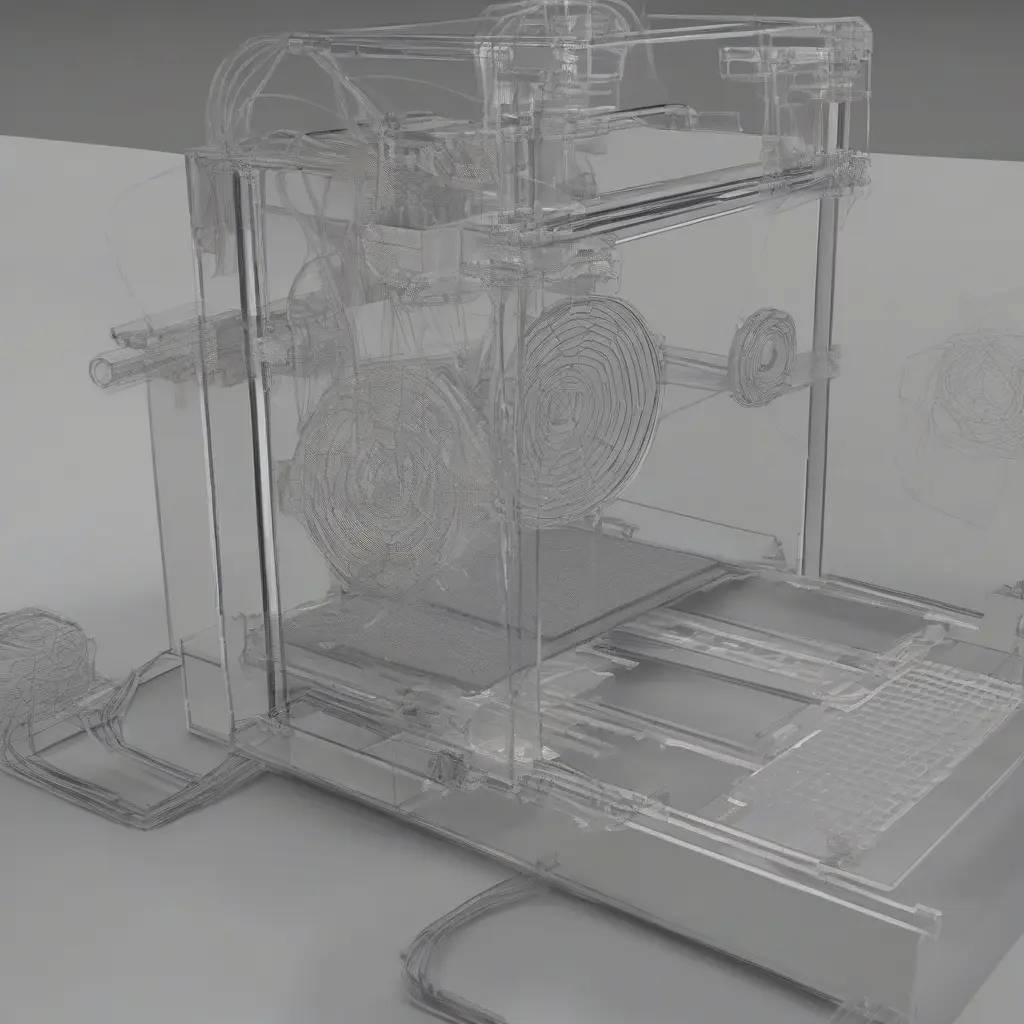
3D printing has revolutionized the way we create and produce objects, introducing a more accessible and customizable approach to manufacturing. Whether you’re a hobbyist or a professional, understanding the basics of 3D printing is essential for successful projects. This guide aims to provide you with a comprehensive overview, from the fundamental components of 3D printers to resources that will help you embark on your first project. With the right knowledge and resources, you can unlock the potential of this technology and bring your ideas to life.
What is 3D Printing?
3D printing, also known as additive manufacturing, is the process of creating three-dimensional objects from digital files, layer by layer. This technology allows users to produce intricate designs that are often impossible to achieve with traditional manufacturing methods. The process involves the use of various materials, including plastics, metals, and even ceramics, which are melted or softened and then extruded to form solid shapes. This innovation is extensively used across multiple sectors, including healthcare, aerospace, and education, enabling rapid prototyping and custom solutions.
Different Types of 3D Printing Technologies
There are several types of 3D printing technologies, each with unique advantages and applications. Fused Deposition Modeling (FDM) is the most common and uses thermoplastic filaments, while Stereolithography (SLA) employs ultraviolet light to harden resin into solid objects. Selective Laser Sintering (SLS) uses lasers to sinter powdered materials, creating durable components. Understanding these technologies helps in selecting the right 3D printer for your specific needs, as they can differ significantly in terms of cost, material compatibility, and printing quality.
Choosing the Right 3D Printer
Selecting the appropriate 3D printer for your project is crucial, as it impacts the quality, speed, and cost of production. Factors to consider include the printing technology, build size, and material compatibility. Budget is also important, as 3D printers can range from affordable desktop models to more advanced industrial machines. Researching specific brands and reading user reviews can provide valuable insights into the performance and reliability of different models, helping you make an informed decision.
Essential Tools and Materials for 3D Printing
In addition to a 3D printer, various tools and materials are necessary for successful 3D printing. Common materials include PLA and ABS filaments for FDM printers, while SLA printers require liquid resin. Other essential tools consist of a spatula for removing prints, tweezers for handling intricate designs, and protective gear for safety, especially when working with resins. Having a well-equipped workspace ensures a smoother printing process and helps in troubleshooting common issues that may arise.
Getting Started with Your First 3D Print
To kick off your first 3D printing project, start by downloading or designing a 3D model. Websites like Thingiverse and MyMiniFactory offer thousands of free, ready-to-print designs. After selecting a model, use slicing software to convert the 3D model into a format compatible with your printer. This software allows you to adjust settings such as print speed and layer height. Once the model is sliced, simply upload it to your printer, initialize the print, and monitor the process for any issues that may occur.
Common Challenges in 3D Printing
As with any technology, 3D printing comes with its own set of challenges. Issues such as print warping, layer misalignment, and nozzle clogging can occur during the printing process. These problems can often be mitigated through calibration and regular maintenance of your printer. Keeping your workspace clean and ensuring high-quality filament is also essential. Learning to troubleshoot these issues not only enhances your skill set but also ensures a more rewarding printing experience.
Post-Processing Techniques
After completing a 3D print, post-processing techniques can significantly enhance the final appearance and functionality of your object. Common methods include sanding, painting, and applying resin coatings for a smoother finish. For prints with supports, careful removal is necessary to avoid damaging the model. For more intricate designs, techniques like polishing or vapor smoothing might be applied, particularly in materials like ABS. Post-processing is an essential step to achieve a professional quality in your finished products.
Exploring 3D Printing Communities and Resources
Joining 3D printing communities can be a valuable resource for learners and enthusiasts alike. Online forums, social media groups, and local maker spaces provide platforms for sharing ideas, getting feedback, and troubleshooting issues. Websites dedicated to 3D printing news and tutorials, such as 3D Printing Industry and All3DP, are excellent for keeping up with the latest developments and techniques. Engaging with these communities can foster collaboration and inspire you to take your projects further.
The Future of 3D Printing Technology
The future of 3D printing technology looks promising, with continuous advancements poised to revolutionize various industries. Innovations such as bioprinting and the integration of AI for enhanced design capabilities are gaining traction. Furthermore, the sustainability aspect of 3D printing is receiving attention, as technologies evolve to use biodegradable materials and recycling methods. As this field progresses, staying updated will be crucial for harnessing new opportunities and improving your skills in 3D printing.
Conclusion
Embarking on your 3D printing journey can be both exciting and challenging. By understanding the basics, choosing the right tools, and engaging with the community, you can enhance your skills and navigate through common obstacles. With patience and practice, 3D printing can unlock new creative possibilities, allowing you to turn your ideas into tangible objects. As you explore the potential of this technology, remember that each project is a stepping stone toward mastering the art of 3D printing.