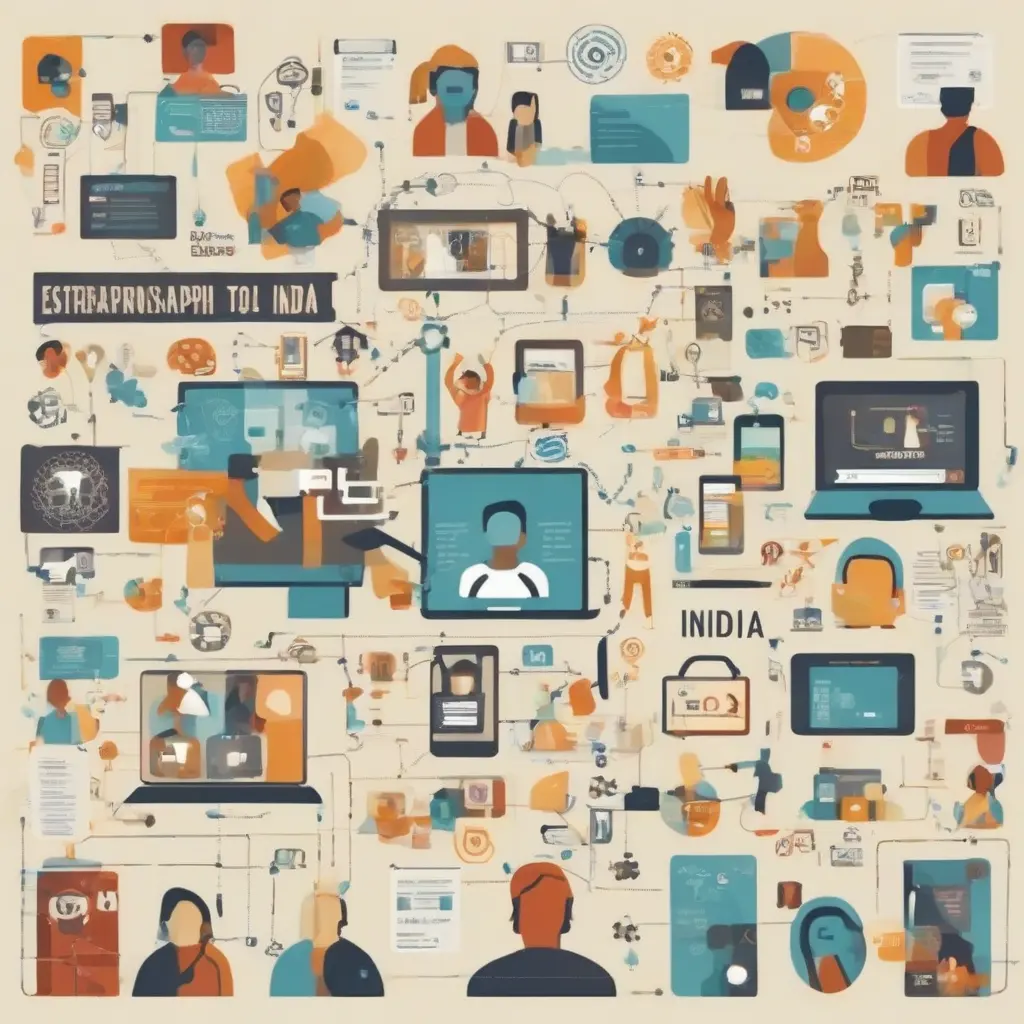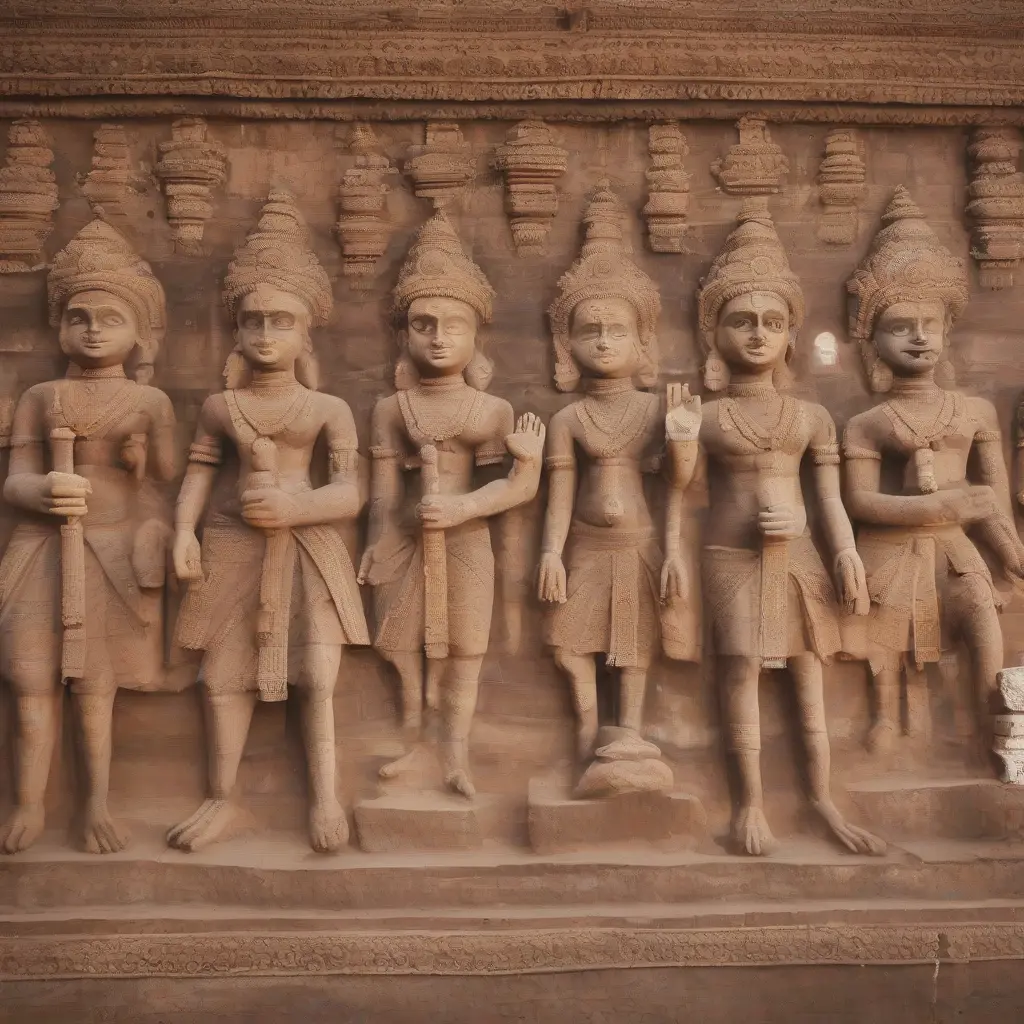
In an era where technology permeates every aspect of life, the preservation of culture has found new avenues through digital tools. In India, a nation rich in diverse traditions and heritage, digital tools are increasingly vital for preserving historical artifacts, languages, and indigenous practices. From virtual museums to mobile applications that document oral histories, these technologies serve as a bridge between the past and the future. This article explores various digital tools and methodologies used for cultural preservation in India, outlining their significance and potential for fostering a deeper connection to cultural identities.
The Role of Virtual Museums in Cultural Heritage
Virtual museums are transforming how cultural heritage is accessed and experienced. In India, platforms like the National Museum’s digital initiative allow global audiences to explore vast collections from the comfort of their homes. This accessibility ensures that cultural heritage is not confined to physical spaces but is shared widely, encouraging education and engagement. By digitizing artifacts, virtual museums promote awareness of India’s rich history and foster appreciation among both locals and international visitors. It empowers communities to showcase their narratives while creating a virtual preservation space for future generations.
Mobile Applications for Language Preservation
Mobile applications have become instrumental in preserving endangered languages across India. Apps such as ‘Hello Hindi’ or ‘Kahaniyan’ aim to teach regional dialects and provide resources for language learners. These tools offer interactive features, including audio pronunciations and quizzes, encouraging users to engage actively with the language. By utilizing smartphone technology, these applications cater to younger generations, ensuring that traditional languages remain alive in everyday conversations. Their widespread popularity is crucial in revitalizing interest in dialects that might otherwise fade into obscurity.
Crowdsourcing Cultural Narratives Online
Crowdsourcing has emerged as a valuable method for capturing local cultural narratives and traditions. Platforms like Wikipedia and StoryCorps enable users to share personal stories, myths, and folklore, creating a rich tapestry of cultural documentation. In India’s diverse landscape, such initiatives encourage community members to contribute their unique perspectives, enriching collective memory. By democratizing the process of cultural preservation, crowdsourcing fosters a sense of ownership among community members while providing resources for researchers and educators. It emphasizes the importance of grassroots participation in safeguarding heritage.
Using Social Media to Document Cultural Practices
Social media platforms play a pivotal role in documenting and promoting cultural practices across India. Sites like Instagram and YouTube allow artists and cultural practitioners to share their work, be it traditional dance forms, music, or handicrafts. These platforms amplify diverse voices, making cultural expressions visible to larger audiences. By facilitating viral trends around regional customs, social media encourages younger generations to engage with their heritage creatively. This digital documentation serves as a living archive, capturing evolving cultural practices and ensuring they are not lost in modern urbanization.
The Impact of Digital Storytelling on Heritage Education
Digital storytelling has emerged as a powerful tool for heritage education. It allows communities to create multimedia narratives that combine audio, visuals, and text, presenting cultural knowledge in engaging formats. Initiatives like ‘Digital Dastangoi’ in India exemplify how storytelling can weave traditional tales with contemporary issues, making heritage education relevant. By involving local artists and educators, these projects generate interest in cultural histories among youth. Digital storytelling not only preserves traditional narratives but also enhances critical thinking, inviting audiences to connect emotionally with their heritage.
Utilizing GIS for Heritage Mapping
Geographic Information Systems (GIS) have become essential for heritage mapping and planning in India. These digital tools help preserve significant cultural sites by allowing researchers to create detailed maps that highlight historical assets. GIS technology provides data on location, condition, and significance, facilitating better management and conservation strategies. Projects that employ GIS enable stakeholders to visualize the interplay between cultural heritage and urban development. By integrating modern technology with traditional knowledge, communities can make informed decisions to protect their heritage for future generations.
Challenges and Limitations of Digital Tools
Despite the numerous advantages of digital tools for cultural preservation, several challenges exist. Issues like digital divide, accessibility, and data privacy become significant hurdles in implementing these technologies effectively. Many rural communities may lack access to the internet or smartphones, limiting their participation in digitization efforts. Moreover, concerns regarding the unauthorized use of cultural content can deter individuals from sharing their heritage online. Addressing these limitations is crucial for ensuring that digital preservation efforts are inclusive and equitable, allowing all voices to be heard.
International Collaborations for Cultural Preservation
International collaborations play a critical role in enhancing cultural preservation efforts in India. By partnering with global organizations and technology firms, local initiatives can gain access to specialized resources and expertise. Projects like ‘The World Heritage Partnerships’ bring together diverse stakeholders, including governments and NGOs, to address pressing cultural preservation challenges. Such collaborations foster knowledge exchange and technology transfer, enabling communities to benefit from cutting-edge techniques. Ultimately, international support amplifies local efforts, driving sustainable solutions to preserve cultural heritage for future generations.
The Future of Digital Tools in Cultural Preservation
Looking ahead, the future of digital tools in cultural preservation in India appears promising. As technology continues to evolve, emerging innovations such as augmented reality (AR) and artificial intelligence (AI) may offer unprecedented opportunities for showcasing cultural heritage. These tools can create immersive experiences that engage audiences in new ways, making cultural learning more interactive. Additionally, as awareness grows around the importance of safeguarding culture, more communities may embrace digital preservation initiatives. This progress indicates a hopeful trajectory for integrating technology in protecting India’s rich cultural legacy.
Conclusion
In summary, digital tools are reshaping the landscape of cultural preservation in India, offering diverse methods for protecting and promoting heritage. From virtual museums to mobile applications, these technologies enhance accessibility and community engagement, ensuring that rich traditions are not lost to time. However, addressing challenges such as the digital divide and ensuring inclusivity is essential for sustainable efforts. As innovation continues to flourish, the commitment to using digital methods will play a pivotal role in preserving India’s vibrant and diverse cultural tapestry.