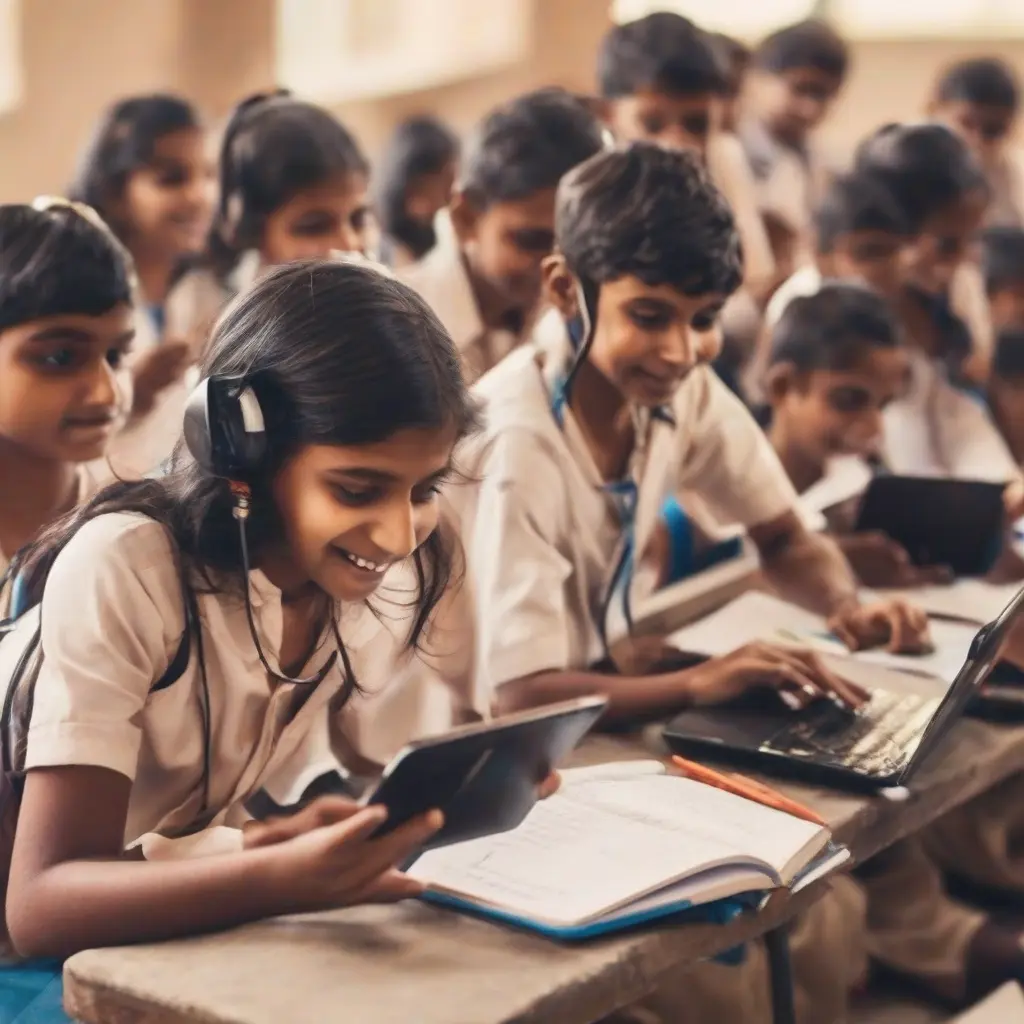
In today’s digital age, the landscape of education is rapidly evolving, especially in India where students are increasingly turning to digital tools for language learning. These tools, ranging from mobile apps to online language courses, play a pivotal role in making language acquisition more accessible and interactive. With features like gamification, real-time feedback, and personalized learning paths, digital tools cater to diverse learning paces and styles. This transformation not only helps learners grasp new languages effectively but also fosters a more engaging learning environment that combines technology with education.
The Role of Mobile Apps in Language Learning
Mobile apps have revolutionized language learning by allowing students to carry their lessons wherever they go. Apps like Duolingo, Babbel, and Busuu provide interactive modules that can be accessed on smartphones or tablets, making practice convenient. By offering bite-sized exercises suitable for short periods of free time, these apps fit seamlessly into busy lifestyles. Moreover, features such as voice recognition help improve pronunciation, while gamified elements keep users motivated, making language learning much more enjoyable for students in India.
Online Language Courses: Expanding Horizons
Online language courses offered by platforms such as Coursera and Udemy provide students with structured, comprehensive learning experiences. These courses often combine video lessons, quizzes, and opportunities for peer interaction, enabling students to learn at their own pace. Many universities in India have also begun to offer online language courses, enhancing accessibility for students across the country. This format allows learners to engage with qualified instructors and access resources that might not be available locally, broadening their educational horizons.
Interactive Language Learning through Virtual Reality
Virtual Reality (VR) technology is emerging as a groundbreaking tool for language learning by creating immersive environments. VR platforms allow students to interact in simulated scenarios, such as ordering food in a restaurant or navigating a foreign city. This real-life practice can significantly enhance language retention and understanding. As the cost of VR technology decreases, schools and educational institutions in India are beginning to adopt these tools, providing students with a unique and engaging way to develop their language skills.
The Impact of Gamification on Learning
Gamification incorporates game-like elements into language learning, significantly enhancing student engagement. Platforms like Lingoda and Memrise use rewards, challenges, and leaderboards to encourage learners to complete tasks and improve their skills. This method taps into students’ competitive nature, motivating them to participate actively. In India, where traditional learning methods can sometimes lead to disengagement, gamification helps maintain interest and enthusiasm for language learning, leading to improved outcomes.
Social Media as a Language Learning Tool
Social media platforms such as Twitter, Facebook, and Instagram can serve as informal language learning environments. Students can join language exchange groups, follow accounts that post in the target language, and interact with native speakers. This real-world application helps reinforce formal education by providing context and cultural understanding. In India, where students are increasingly active on social media, leveraging these platforms for language learning can create a more connected and practical approach to mastering new languages.
Personalized Learning Experiences
Digital tools allow educators to tailor learning experiences to meet individual student needs. Using adaptive learning technologies, platforms can adjust the difficulty of tasks based on student performance, ensuring that learners remain challenged without becoming overwhelmed. This personalized approach is particularly beneficial in diverse classrooms in India, where students may have varying proficiency levels. By catering to these differences, digital tools foster a more inclusive environment that encourages all students to succeed in their language learning journeys.
Enhancing Collaboration with Technology
Collaboration tools like Google Classroom and Microsoft Teams facilitate group projects and peer learning, allowing students to practice their language skills in a communal setting. These platforms enable students to share resources, provide feedback, and learn from one another in real-time. In India, where collaborative learning is increasingly recognized as a key educational approach, these tools enhance not only language proficiency but also teamwork and communication skills among students.
Challenges of Using Digital Tools
While digital tools offer numerous advantages, there are challenges to consider as well. In India, issues such as limited internet access, varying digital literacy levels, and the need for teacher training can hinder the effective implementation of these tools. Furthermore, excessive reliance on technology may lead to decreased face-to-face interactions, which are essential for language acquisition. Addressing these challenges requires coordinated efforts from educators, policymakers, and technology providers to create a balanced approach to digital language learning.
Future Trends in Digital Language Learning
The future of digital language learning in India looks promising, with advances in Artificial Intelligence (AI) and machine learning likely to enhance personalized learning experiences further. Emerging tools are expected to analyze individual learning patterns and suggest customized learning resources. Additionally, augmented reality (AR) may eventually join VR to create even richer educational experiences. As technology continues to evolve, it will play a critical role in shaping how students in India approach language learning, making it more interactive and effective.
Conclusion
In conclusion, digital tools offer a transformative approach to language learning for students in India, making education more accessible, engaging, and personalized. As these technologies continue to evolve and improve, they have the potential to significantly enhance language acquisition outcomes. By embracing these digital innovations, students can develop essential language skills that prepare them for a globalized world, fostering both personal and professional growth.