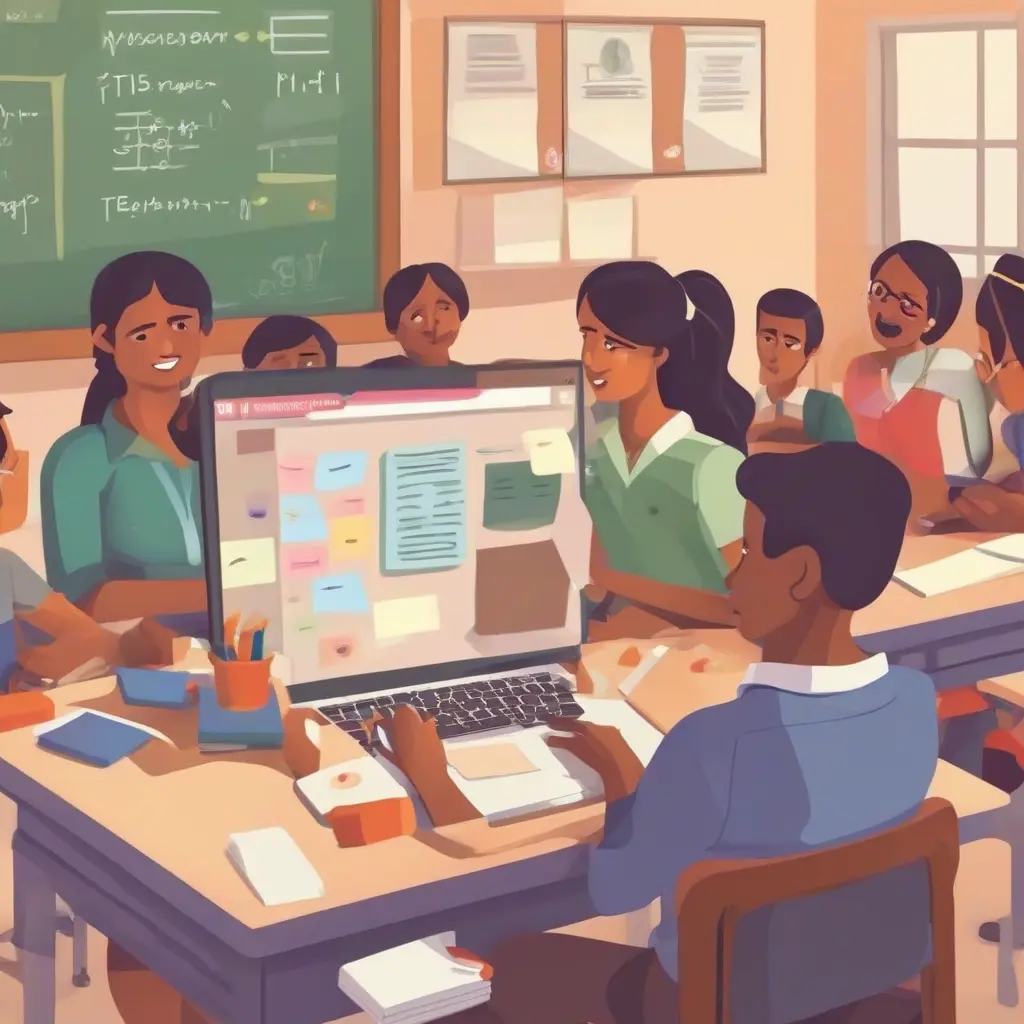
Creating engaging and interactive lesson plans is crucial for effective teaching, especially in India’s diverse educational landscape. With the advent of technology, various digital tools are now available to help teachers design lesson plans that capture students’ attention. These tools not only allow for the incorporation of multimedia elements but also facilitate collaborative learning, making the educational experience more enriching. This article will delve into some of the best tools that can assist teachers in creating interactive lesson plans, ensuring they are well-equipped to meet the needs of their students.
Google Classroom: A Comprehensive Solution
Google Classroom serves as a robust platform that streamlines the process of lesson planning and classroom management. It allows teachers to create and distribute assignments, provide feedback, and communicate with students all in one place. With its easy integration with Google Drive, teachers can share resources such as documents, videos, and presentations seamlessly. Furthermore, the analytics features help educators track student progress and engagement, making adjustments to lesson plans as needed to enhance learning outcomes.
Nearpod: Interactive Learning Experiences
Nearpod is an innovative tool that promotes interactive learning through its customizable lesson plans. Teachers can create engaging presentations that include quizzes, polls, and multimedia elements like videos and virtual reality experiences. This tool not only allows teachers to assess understanding in real-time but also gives students a more immersive and engaging experience. The ability to control the pace of the lesson further helps in catering to diverse learning styles, which is crucial in the Indian classroom setting.
Kahoot: Gamifying Learning
Kahoot is a game-based learning platform that makes lesson planning fun and engaging for students. Teachers can create interactive quizzes and surveys that can be played in the classroom, encouraging student participation and competition. The platform enables instant feedback and fosters a lively classroom atmosphere. Utilizing Kahoot helps to reinforce the material covered in lessons while also allowing teachers to gauge student understanding effectively, making learning a more dynamic experience.
Quizlet: Study Tools and Flashcards
Quizlet offers an effective way to prepare interactive lesson plans through its extensive library of study tools, including flashcards and quizzes. Teachers can create customized sets that can be shared with students, making review sessions engaging and interactive. The platform also includes games and collaborative tools, promoting peer learning and teamwork. Additionally, Quizlet’s mobile accessibility allows students to study anytime and anywhere, which is essential for fostering a culture of continuous learning.
Edmodo: Social Learning Environment
Edmodo combines the best features of social media with educational tools, creating a unique environment for teachers and students to interact. It allows teachers to create a virtual classroom where they can share resources, assign tasks, and conduct discussions. The platform supports a community learning approach, where students can collaborate on projects and provide peer feedback. Edmodo’s focus on group learning enhances classroom engagement, making lesson plans more effective and inclusive.
Canva: Visual Content Creation
Canva is an excellent tool for creating visually appealing lesson plans and educational materials. It offers a wide range of templates that teachers can customize to suit their needs. Whether it’s infographics, posters, or presentations, Canva enables educators to enhance their lesson content with vibrant graphics and easy-to-read layouts. The ability to create appealing visual aids is particularly beneficial in engaging students in subjects that benefit from visual representation, such as science and art.
Microsoft OneNote: Organizing Thoughts
Microsoft OneNote is a versatile note-taking application that facilitates the organization of lesson plans and ideas. Teachers can create notebooks for each subject or class, integrating text, images, and even audio recordings. The flexibility of OneNote allows educators to keep everything in one place, making it easier to access and modify lesson plans. The collaborative features enable teachers to share notes and resources with colleagues, promoting teamwork and resource sharing among educators.
Flipgrid: Video Discussions Made Easy
Flipgrid transforms traditional teaching methods by allowing students to express their thoughts and ideas through video discussions. Teachers can post prompts, and students record their responses, creating an engaging digital dialogue. This tool nurtures critical thinking and encourages shy students to participate, enhancing the overall classroom dynamic. By integrating video elements into lesson plans, educators can cater to different learning styles, making lessons more appealing to a broader audience.
Trello: Project Management for Teachers
Trello is a project management tool that can be effectively used for organizing lesson planning and educational projects. Teachers can create boards for each subject or unit, adding cards that represent individual lessons, resources, or assessments. This visual organization helps educators track progress, set deadlines, and ensure that all elements of a lesson plan are cohesive. Trello’s collaborative features also allow teachers to work with colleagues on joint projects, enhancing resource sharing and teamwork.
Conclusion
In conclusion, leveraging digital tools can significantly improve the process of creating interactive lesson plans. From platforms like Google Classroom and Nearpod to specialized tools like Kahoot and Edmodo, each offers unique features that enhance teaching and learning. By incorporating these tools into their planning, teachers in India can create a more engaging and effective educational experience, ultimately benefiting student outcomes and facilitating a dynamic learning environment.